Introduction
Cancer remains one of the leading causes of death worldwide, with millions of new cases diagnosed each year. Research has identified various lifestyle factors that can influence cancer risk. Among these, two habits stand out as particularly significant: smoking and poor dietary choices. Understanding these habits is crucial for public health and personal wellness.
Smoking: The Leading Cause of Cancer
Smoking is unequivocally linked to several types of cancer, including lung, throat, and bladder cancer. According to the American Cancer Society, approximately 30% of all cancer deaths in the United States are due to smoking. This habit not only increases the risk of cancer but also contributes to other serious health problems, such as heart disease and respiratory illnesses. Despite widespread awareness of these dangers, many continue to smoke. Effective smoking cessation programs and public health campaigns have seen some success, but further efforts are needed to reduce tobacco use.
Poor Diet and Its Impact on Cancer Risk
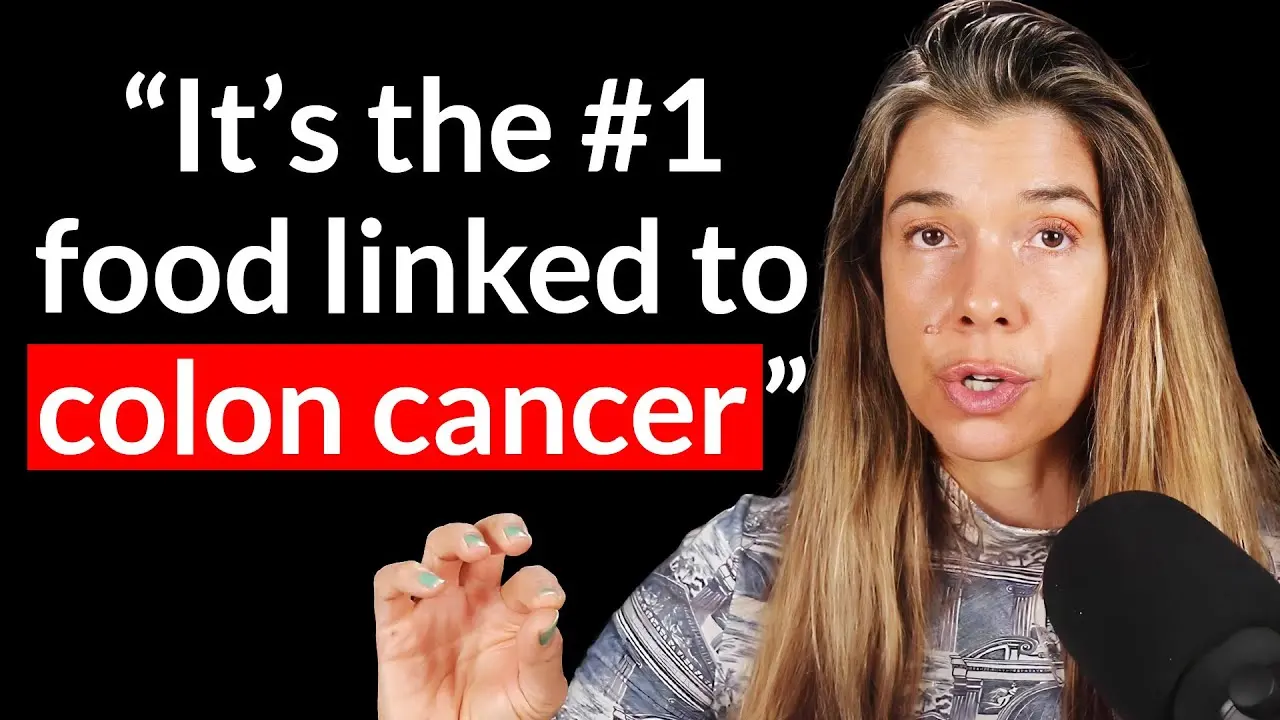
Another significant factor is diet. A poor diet—characterized by excessive consumption of processed foods, red and processed meats, sugary beverages, and low intake of fruits and vegetables—has been linked to an increased risk of various cancers, including colorectal and breast cancer. The World Health Organization recommends dietary changes, such as incorporating more whole foods and reducing processed food intake, to improve overall health and potentially lower cancer risk. Studies show that individuals who maintain a balanced diet rich in fruits, vegetables, and whole grains have a lower probability of developing cancer.
Conclusion
Addressing these two habits—smoking and poor dietary choices—can have a significant impact on cancer prevention efforts. Public health initiatives focusing on education and resources for quitting smoking, alongside promoting healthy eating habits, are crucial in the fight against cancer. For individuals, making informed lifestyle changes can potentially reduce cancer risk and enhance overall health. By understanding and modifying these habits, society can work towards lower cancer rates and improved public health outcomes.