Introduction
Power management technologies play a crucial role in today’s world as the demand for efficient energy use becomes increasingly pressing. With the ongoing climate crisis and a growing global population, these innovations are more important than ever. They not only help reduce energy waste but also contribute to lower carbon emissions, making them integral to a sustainable future.
Recent Developments in Power Management
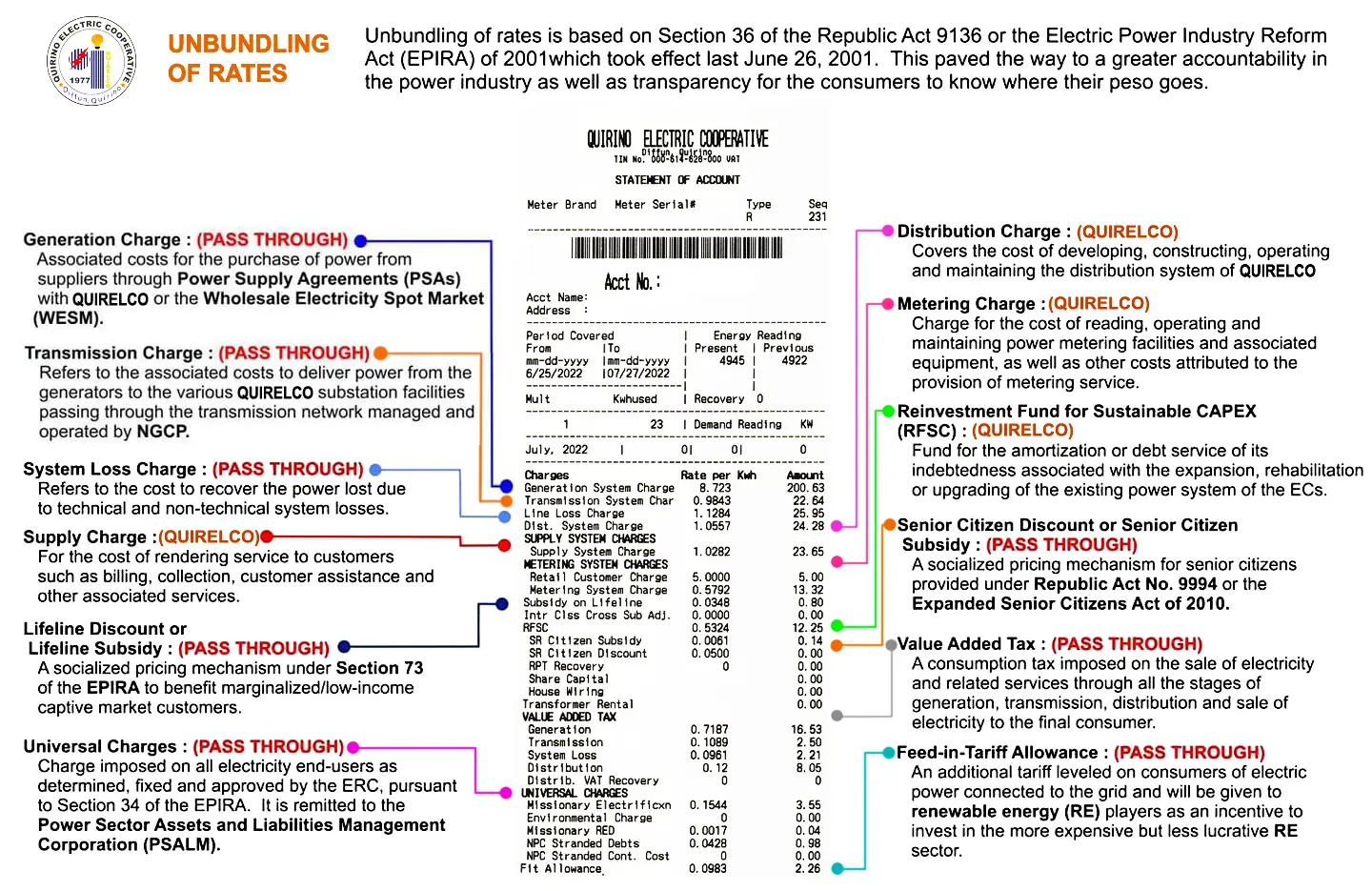
Recently, advancements in power management technologies have made headlines. Companies are leveraging artificial intelligence (AI) and the Internet of Things (IoT) to enhance energy efficiency across various sectors. For instance, smart grids are being implemented in cities worldwide, enabling real-time monitoring of energy consumption and distribution. These grids use AI algorithms to predict energy usage patterns, allowing for optimized energy distribution and reduced operational costs.
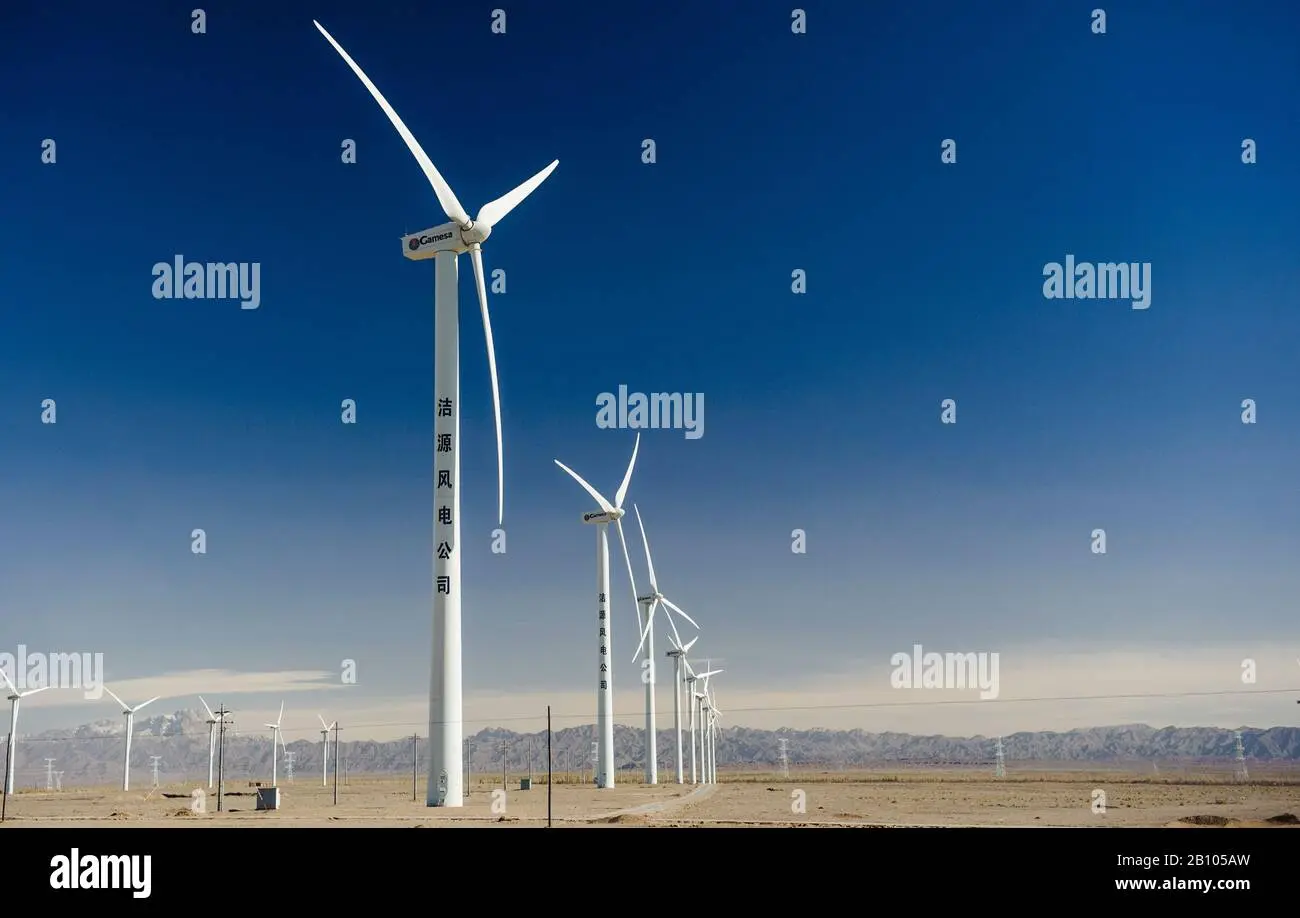
Additionally, the rise of renewable energy sources such as solar and wind has spurred innovation in power storage solutions. Technologies like lithium-ion batteries and newer alternatives are being developed to store energy collected during peak production times for later use. This is vital for addressing the intermittent nature of renewable energy sources and ensuring a stable power supply.
Impact on Industries
Power management technologies are not limited to residential use; they are making significant strides in various industries, including manufacturing, transportation, and telecommunications. Factories are increasingly adopting energy management systems that monitor consumption in real-time, guiding decision-makers in optimizing their energy use. The transportation sector is also seeing a shift with the development of electric vehicles (EVs), which are equipped with advanced power management systems to prolong battery life and improve efficiency.
Conclusion and Future Outlook
The future of power management technologies looks promising, with continuous advancements expected to revolutionize how energy is consumed and managed. As governments and organizations reinforce commitments towards carbon neutrality, the integration of smart technologies will be essential. By investing in power management systems that harness the latest innovations, we can not only improve energy efficiency but also pave the way towards a more sustainable energy future.