Introduction
The case of Kyle Rittenhouse has become emblematic of the fraught intersections of race, justice, and gun rights in America. After his high-profile trial concluded in November 2021 with a not-guilty verdict, discussions continue regarding the implications of Rittenhouse’s actions and the broader societal consequences. This topic remains relevant as it touches on essential issues such as self-defense laws, the role of firearms in public protests, and the ongoing discourse on racial relations within the United States.
Background on the Case
Kyle Rittenhouse, then a 17-year-old from Illinois, shot three individuals during protests in Kenosha, Wisconsin, in August 2020, following the police shooting of Jacob Blake, an African American man. Rittenhouse claimed he was defending himself from threats posed by the armed individuals he encountered. The incident raised significant public outcry, reflecting a tumultuous period in American history marked by protests for racial justice.
The Trial and Verdict
Rittenhouse’s trial drew intense media coverage and national attention, highlighting divisions within American society. Proponents argued he acted in self-defense, while opponents viewed his actions as vigilantism, given he had traveled to Kenosha from Illinois during a period of upheaval. The jury ultimately found him not guilty on all counts, including homicide, which ignited both relief and outrage among differing factions of the populace.
Public and Legal Reactions
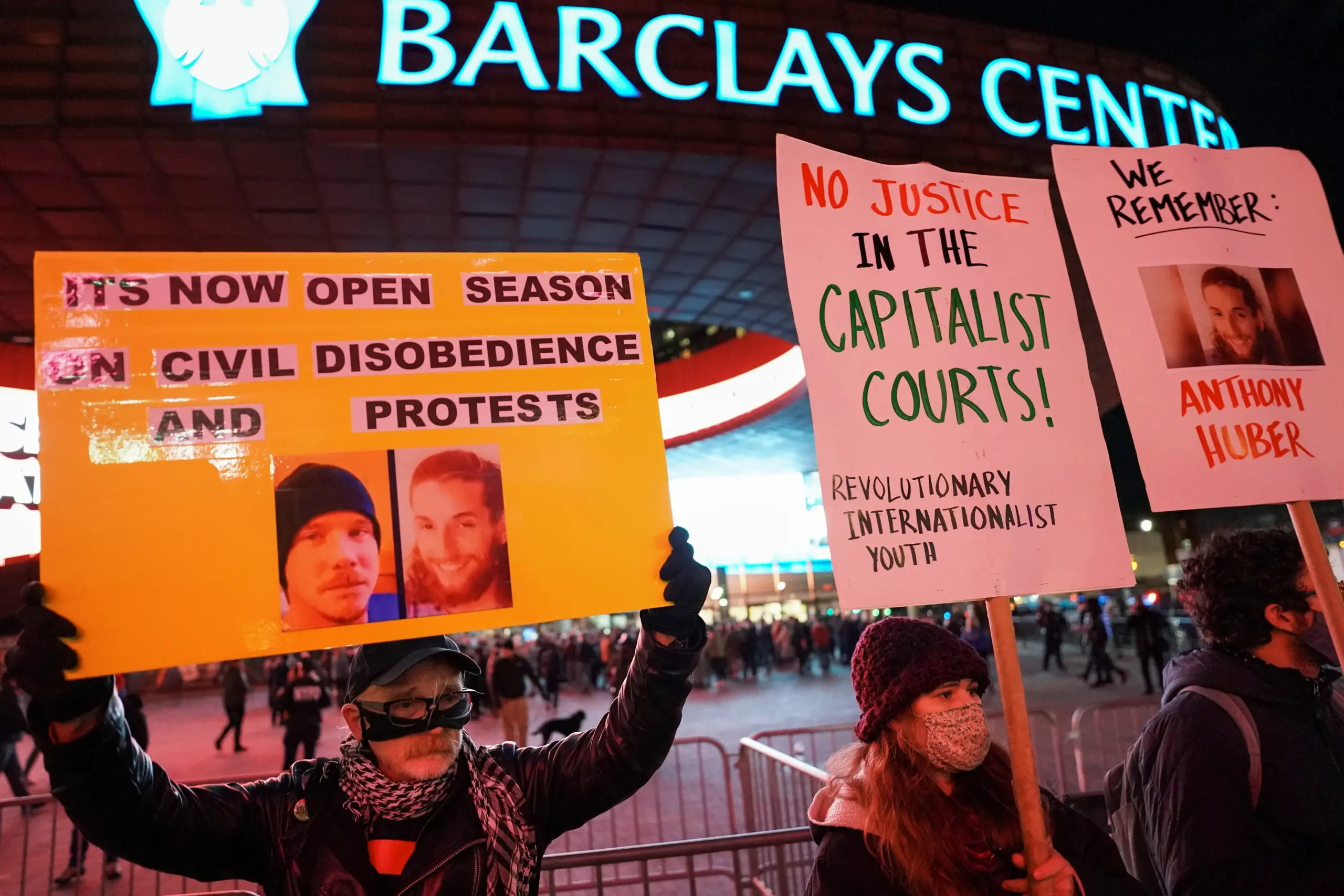
The verdict sparked immediate reactions from various groups. Gun rights advocates hailed the decision as a reaffirmation of self-defense rights, whereas protesters and advocates for racial justice viewed it as a troubling signal regarding accountability in cases of violence against protesters. Furthermore, the case has prompted legislative discussions in several states about altering self-defense laws and regulations surrounding firearms at public demonstrations.
Conclusion
The implications of the Kyle Rittenhouse case extend beyond the courtroom. It has prompted ongoing discourse about the role of firearms in civil unrest, self-defense interpretations, and the societal impacts of such a controversial trial. As discussions continue to evolve, particularly with the approaching election cycle, understanding Rittenhouse’s case may also reflect broader societal sentiments regarding race, justice, and order. The lasting impact of this case will likely resonate within American cultural and legal landscapes for years to come.