The numbers
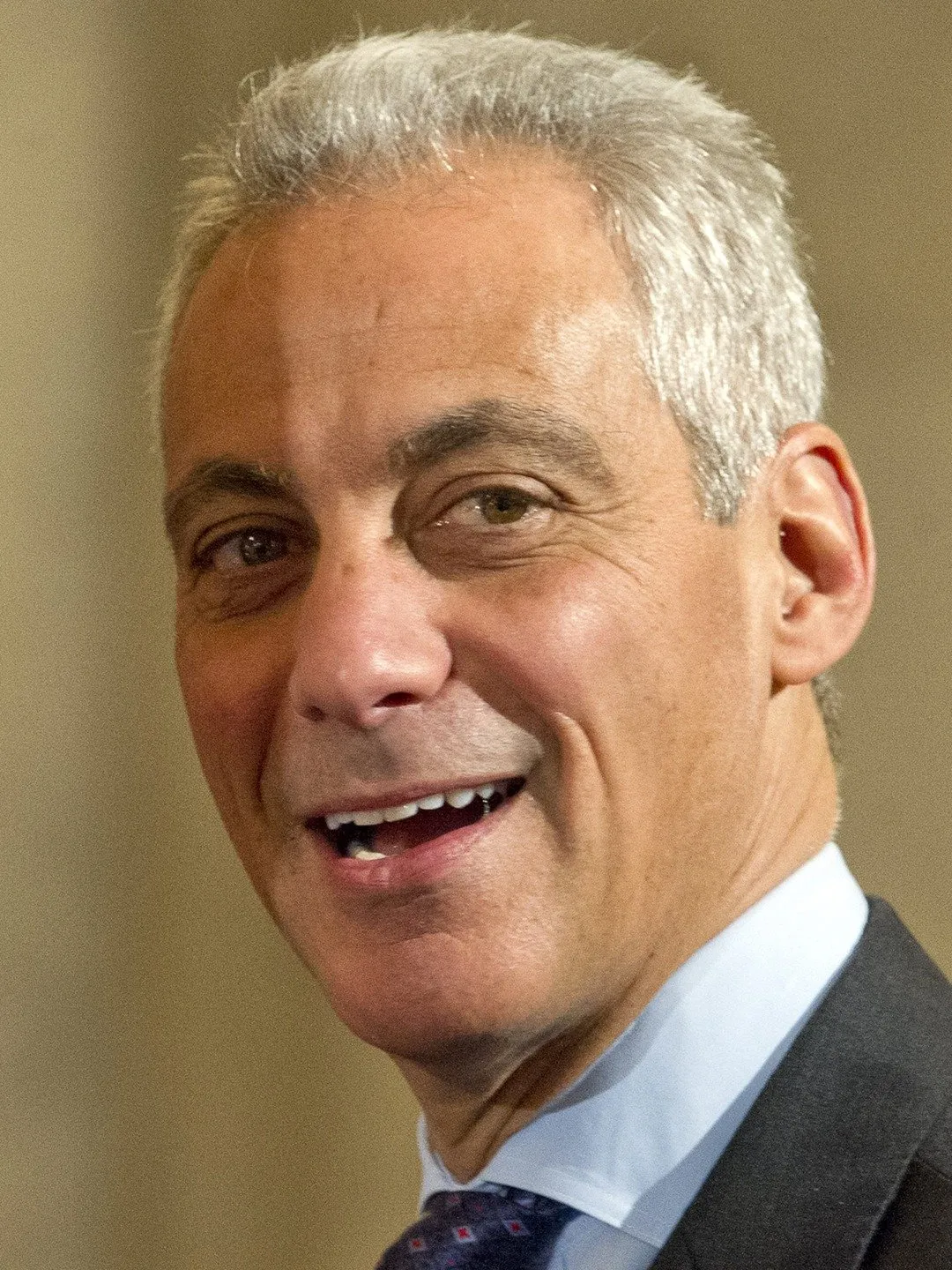
Rahm Emanuel, the former mayor of Chicago, participated in a Stand Up New Hampshire town hall on March 31, 2026, as he weighs a potential run for the 2028 presidential election. Emanuel emphasized the importance of engaging with Americans, stating, “They haven’t lost faith in America, but the leaders of America have lost faith with the American people.” This town hall marks a significant step in his exploratory campaign.
During the event, Emanuel unveiled a bold plan aimed at redirecting $7.66 billion annually from the Trump administration’s ICE budget to fund community colleges across the nation. This proposal seeks to shift priorities from detention facilities to education, with Emanuel asserting, “The priority for Americans should be education, not detention.” His plan aims to involve over 1,000 community colleges, creating partnerships with employers and developing specialized job training programs.
Emanuel’s education initiative is particularly timely as the job market faces disruptions from automation and artificial intelligence. He believes that community colleges can play a crucial role in retraining workers displaced by these technological advancements. “As the explosive growth of artificial intelligence is poised to disrupt the job market, the nation’s more than 1,000 community colleges can and will play a central role in preparing Americans for successful middle-class jobs,” Emanuel stated, highlighting the urgency of his proposal.
Historically, Emanuel has been considered a potential candidate for the presidency since Barack Obama’s reelection in 2012. His experience as Chicago’s mayor, where he created scholarship programs, positions him as a strong advocate for education reform. At 66 years old, Emanuel is strategically touring South Carolina colleges as part of his campaign strategy, aiming to connect with voters and gauge support for his initiatives.
The proposal to redirect 20 percent of the $38.3 billion ICE budget towards community colleges reflects a significant policy shift that could resonate with Democratic activists and voters concerned about immigration and education. Emanuel’s plan not only addresses the immediate needs of displaced workers but also aims to foster a more skilled workforce that can adapt to the changing economic landscape.
As he continues to engage with voters and refine his campaign message, observers are keen to see how Emanuel’s education plan will evolve and whether it will gain traction among Democratic constituents. The response from community colleges and regional employers will also be critical in determining the feasibility of his ambitious proposal.
Details remain unconfirmed regarding the specific timeline for Emanuel’s decision on a presidential run, but his recent activities suggest a serious consideration of entering the race. With education at the forefront of his agenda, Emanuel aims to position himself as a candidate focused on the future of American workers and the importance of accessible education.