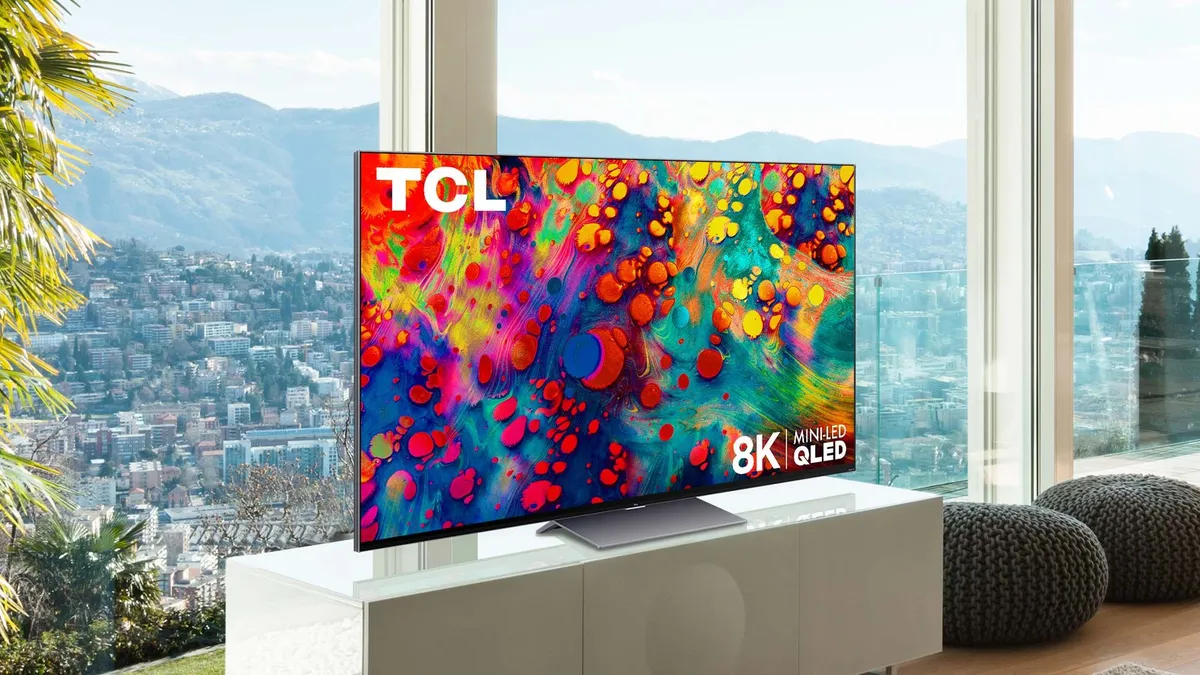
Roku and TCL face a class action lawsuit for allegedly releasing software updates that brick their smart TVs, leaving consumers with unusable devices. The complaint was filed in federal court in southern California by Terri Elise. It accuses the companies of knowingly distributing defective updates despite numerous consumer complaints.
The lawsuit details how the software updates cause affected TVs to freeze, restart, or fail to turn on entirely. Specific models named in the complaint include the Roku Select Series, Roku Plus Series, and various TCL 3, 4, 5, and 6-series models. Consumers purchased these televisions between December 16, 2024, and the present.
Key claims in the lawsuit:
- The software defects materially impair the functionality of the TVs.
- Over 300 comments on Top Class Actions report similar issues with Roku TVs from consumers.
- The lawsuit demands a jury trial along with declaratory relief, damages, and restitution.
Many consumers report frustration with their devices. One TCL TV owner stated, “I was watching my TV and it just stopped showing pictures.” Another noted that their Roku TV required an internet connection to function but still had many blank screens. These experiences echo the claims made in the lawsuit.
Roku spokespersons have responded to the allegations by stating, “We believe the claims are meritless.” However, the legal actions highlight significant concerns among users about the reliability of Roku’s operating system on TCL devices. The partnership between Roku and TCL has been crucial for many consumers who expect reliable performance from their smart TVs.
The lawsuit raises questions about accountability in software updates for electronic devices. Despite ongoing consumer complaints of repeated system failures—often leaving their TVs completely inoperable—the companies reportedly offer no recourse. This situation has prompted further scrutiny of how tech firms handle consumer feedback regarding product functionality.
As this case unfolds, it will likely influence how companies approach software updates in the future. Consumers continue to seek clarity on their rights regarding defective electronics. The next steps in this legal process remain to be seen as both parties prepare for upcoming hearings.