Introduction to Incident Response Plans
In an age where cyber threats are increasing rapidly, incident response plans (IRPs) have become a crucial component for organizations striving to protect their digital assets. An incident response plan outlines the procedures for detecting, responding to, and recovering from cybersecurity incidents, ensuring a coordinated and efficient approach to minimizing damage. The relevance of these plans is underscored by the increasing number of high-profile data breaches, making it imperative for businesses to develop and regularly update their strategies.
Current Trends in Incident Response
Recent reports indicate that the global cost of cybercrime is projected to reach $10.5 trillion annually by 2025, emphasizing the need for robust incident response mechanisms. In 2023, a significant rise in ransomware attacks, particularly targeting critical infrastructure and healthcare systems, highlighted vulnerabilities and underscored the importance of having an effective IRP in place. During the first half of 2023 alone, attacks against health organizations increased by 55%, showcasing the urgent need for comprehensive incident response strategies that are both proactive and reactive.
Essential Components of Incident Response Plans
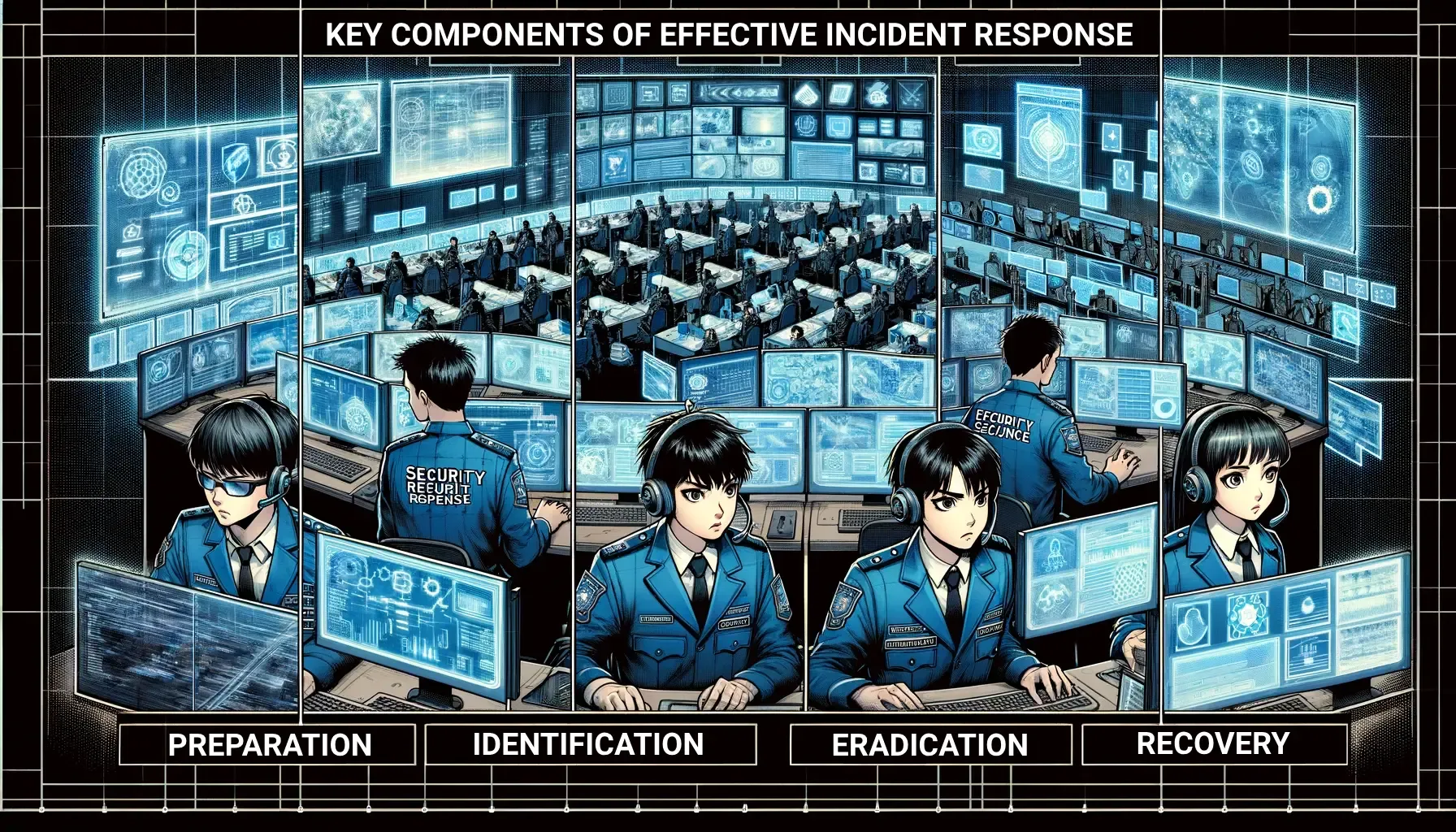
Successful incident response plans typically consist of several key components:
- Preparation: Training personnel and establishing effective communication channels.
- Detection and Analysis: Utilizing advanced technology to detect threats and evaluate their impact.
- Containment: Strategies to limit the damage and prevent further incidents.
- Eradication: Removing the threat from the environment.
- Recovery: Restoring systems and confirming they are functioning normally.
- Post-Incident Activities: Learning from the incident through analysis and updating the IRP.
Organizations are increasingly adopting automation in incident response to enhance their efficiency. Automated tools can significantly reduce response times and allow for a more agile response to ever-evolving threats.
Conclusion and Future Outlook
As the cybersecurity landscape continues to evolve, the importance of incident response plans will only intensify. Organizations that invest time and resources in crafting and refining their IRPs will not only strengthen their defenses but will also gain a competitive edge in a digital-first world. By prioritizing incident response planning, businesses will be better positioned to mitigate risks, protect sensitive information, and ensure operational continuity despite the increasing threat landscape. The future of effective cybersecurity hinges on our ability to respond effectively to incidents—and strong incident response plans are at the forefront of that strategy.