Introduction to Phishing
Phishing is a type of cyber attack that involves tricking individuals into providing sensitive information, such as login credentials or financial details. It is crucial to understand phishing due to the rising frequency of these attacks and the severe consequences they can have on individuals and organizations.
The Mechanics of Phishing
Phishing schemes often come in the form of emails, messages, or even phone calls that appear to come from legitimate sources. Attackers impersonate trusted entities, such as banks, social media platforms, or internal company IT departments, to gain the victim’s trust. In 2023, the Anti-Phishing Working Group reported a staggering increase in reported phishing attempts, with a significant rise in sophisticated spear-phishing attacks targeting specific individuals.
Types of Phishing
There are several types of phishing attacks, including:
- Email Phishing: The most common form, where victims receive emails containing malicious links or attachments.
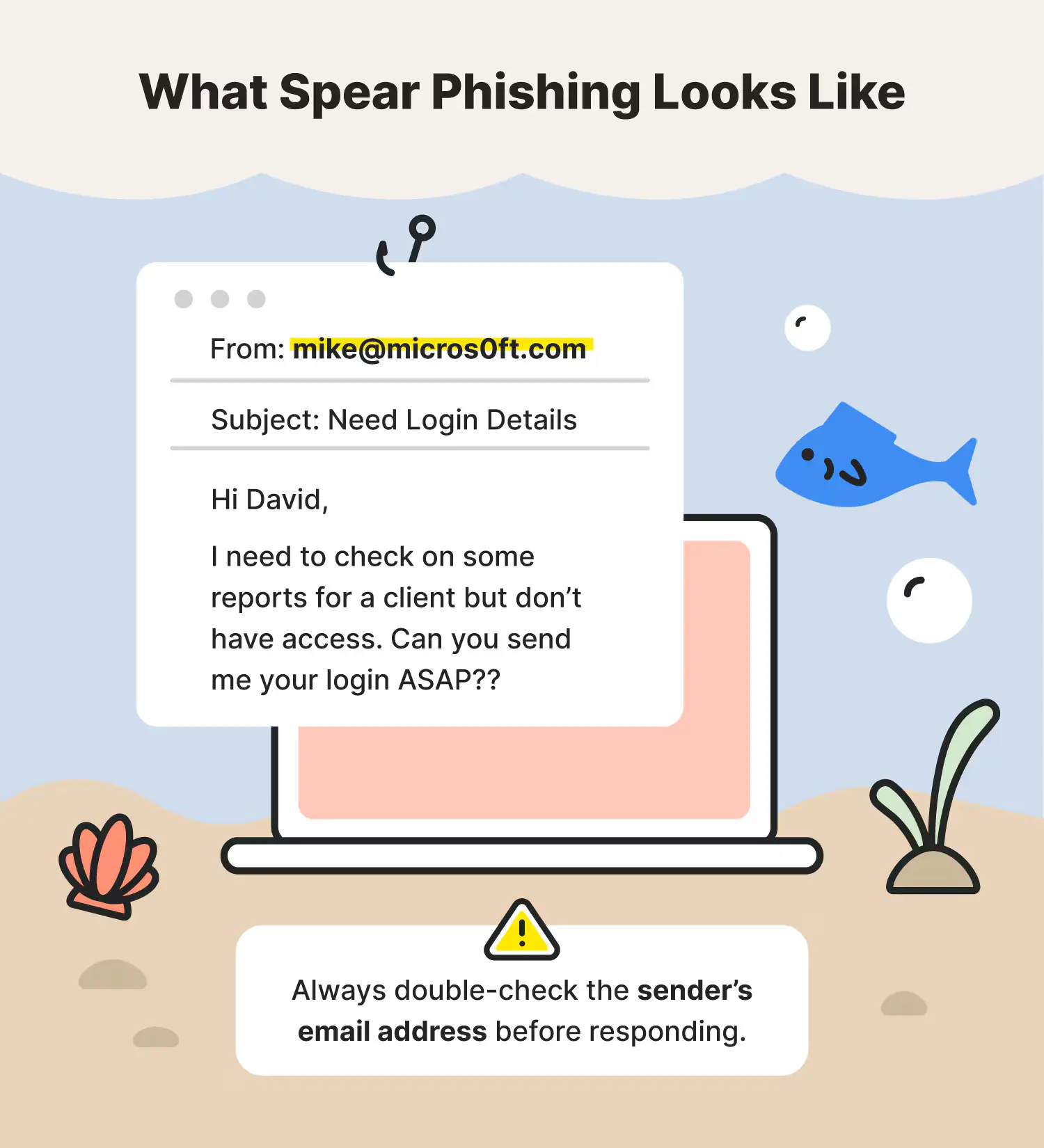
- Spear Phishing: Targeted attacks aimed at specific individuals, often using personalized information.
- Whaling: Phishing attempts that target high-profile individuals or executives to obtain sensitive corporate information.
- Vishing: Voice phishing, where attackers use phone calls to solicit personal information.
- Smishing: Phishing via SMS messages.
Recent Trends and Statistics
According to Cybersecurity Ventures, phishing attacks have become increasingly sophisticated, with an estimated 1 in every 99 emails being a phishing attempt. During the first half of 2023, there was a 20% increase in phishing attacks compared to the previous year. This alarming trend emphasizes the necessity for individuals and organizations to remain vigilant.
Protecting Yourself from Phishing
To safeguard against phishing attacks, consider the following measures:
- Verify the sender’s information before clicking on links or providing sensitive data.
- Utilize multi-factor authentication for an added layer of security.
- Keep software and antivirus programs updated to combat the latest threats.
- Educate yourself and your team about the tactics used in phishing schemes and how to recognize them.
Conclusion
Phishing remains a significant threat in today’s digital landscape, with criminals continuously refining their tactics. Awareness and proactive measures are essential in reducing the risk of falling victim to these schemes. By understanding what phishing is and how it operates, individuals and organizations can better prepare themselves to combat this pervasive cyber threat, safeguarding their personal and financial data.