Introduction
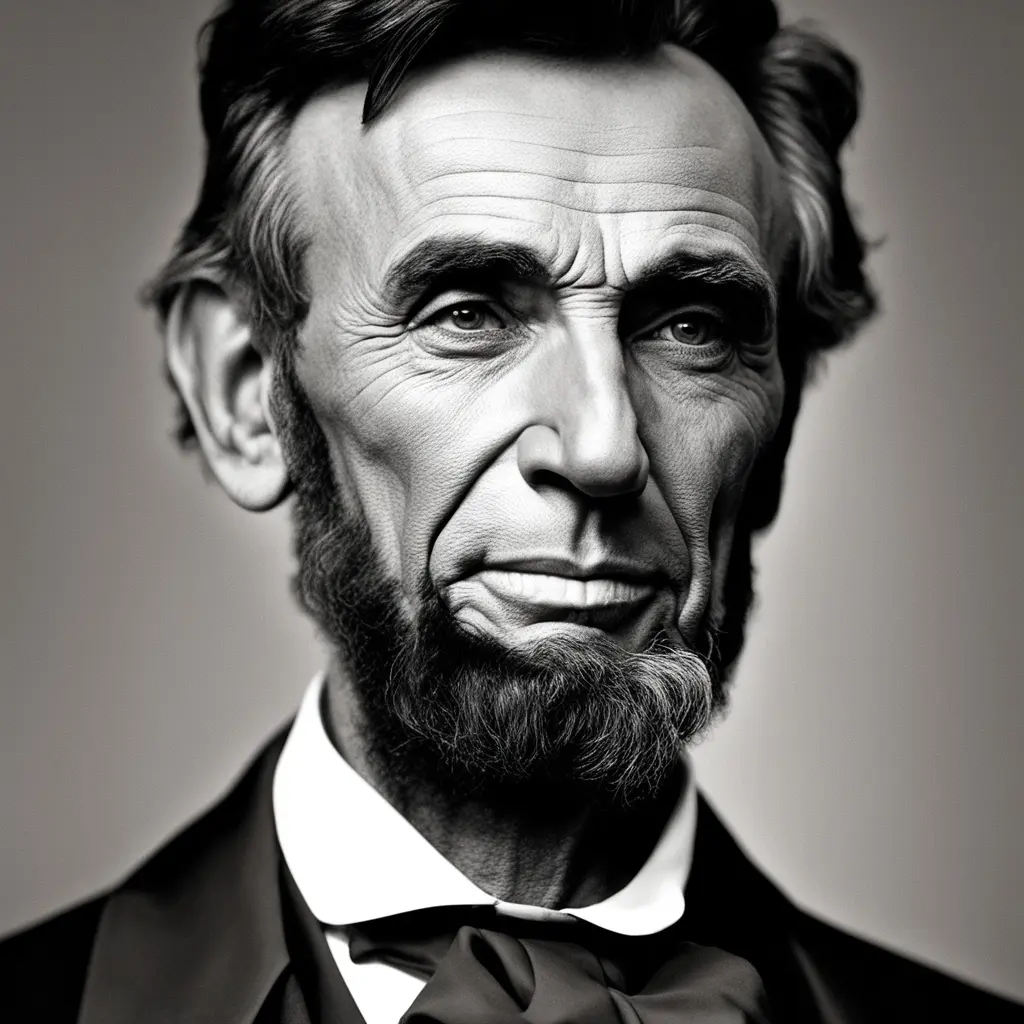
Abraham Lincoln, the 16th President of the United States, is widely regarded as one of the most significant leaders in American history. His presidency (1861-1865) was marked by tumultuous events such as the Civil War and the fight for emancipation. Lincoln’s impact on the nation is both profound and enduring, as he played a crucial role in preserving the Union and abolishing slavery. Understanding his life and the challenges he faced is vital for comprehending the historical narrative of the United States.
Early Life and Political Rise
Born on February 12, 1809, in a log cabin in Hardin County, Kentucky, Lincoln grew up in a poor family. He had limited formal education but was an avid reader and self-educated. His early career included work as a rail-splitter, a storekeeper, and eventually a lawyer. Lincoln entered politics in the 1830s, where he served in the Illinois State Legislature and the U.S. House of Representatives.
Presidency and the Civil War
In 1860, Lincoln was elected as the first Republican President. His election sparked tensions between Northern and Southern states, primarily over issues of slavery. When seven Southern states seceded from the Union, Lincoln was faced with the monumental task of leading a country at war with itself. His commitment to preserving the Union led to significant military and political decisions, including the issuance of the Emancipation Proclamation in 1863, which declared the freedom of all enslaved people in Confederate-held territory.
Legacy and Significance
Lincoln’s life was tragically cut short when he was assassinated on April 14, 1865, just days after Robert E. Lee’s surrender, which effectively ended the Civil War. His legacy as the “Great Emancipator” and his commitment to democracy and unity transformed the nation. The Thirteenth Amendment, passed shortly after his death, abolished slavery throughout the United States, solidifying his role in American history.
Conclusion
Abraham Lincoln’s contributions to the United States remain highly relevant today. His leadership during one of the most challenging periods in American history set precedents for equality and governance. As modern America grapples with ongoing issues of race and civil rights, Lincoln’s vision of a unified nation continues to inspire. He represents both the struggles of the past and the aspirations for a better future, reminding us of the importance of leadership rooted in justice and democracy.