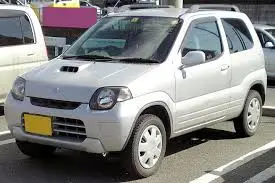
Introduction to Kei Cars
Kei cars, or “light cars,” are a special category of vehicles in Japan that have gained significant popularity due to their compact size, fuel efficiency, and affordability. Keis are designed to meet specific regulations, making them a practical choice for urban environments where space is limited. In recent years, their influence has extended beyond Japan, impacting automotive design and consumer preferences around the world.
The Specifications and Appeal
Kei cars are defined by strict government regulations which include a maximum engine capacity of 660cc and a maximum vehicle length of 3.4 meters. Their small size not only makes parking easier but also enhances maneuverability in congested city settings. Models like the Suzuki Alto, Daihatsu Mira, and Honda Acty exemplify the ingenuity of kei car design, offering unique styling and a variety of functionalities.
These vehicles are renowned for their impressive fuel economy, often exceeding 60 miles per gallon. This efficiency is increasingly appealing to environmentally conscious consumers and those seeking to mitigate rising fuel costs. Moreover, kei cars are generally more affordable than traditional vehicles, making them accessible to a wider audience, including first-time buyers.
Recent Developments in the Kei Car Market
The kei car market has seen a revival with technological advancements. Manufacturers are innovating with electric kei cars and hybrids, appealing to a new generation of eco-friendly consumers. The trend towards electrification is accelerated by the Japanese government’s commitment to reduce carbon emissions, with initiatives promoting electric vehicle use. As of 2023, many major automakers are investing heavily in this sector, indicating a robust future for kei cars.
Global Impact of Kei Cars
While kei cars were primarily confined to Japanese roads, their appeal is now crossing borders. Global manufacturers are taking inspiration from the kei car model, as compact vehicles become more viable in urban markets worldwide. Cities facing traffic congestion and environmental concerns are starting to embrace the kei car philosophy, leading to increased availability and interest in similar vehicles in other regions.
Conclusion: The Significance of Kei Cars Today
The kei car phenomenon is more than just a Japanese trend; it represents a shift towards practical, efficient, and environmentally friendly transportation solutions. With the increasing urbanization and emphasis on sustainability, kei cars are likely to play a crucial role in shaping the future of the automotive industry. As more countries recognize the importance of compact vehicles in urban planning, kei cars could become an integral part of the global auto market.