Introduction
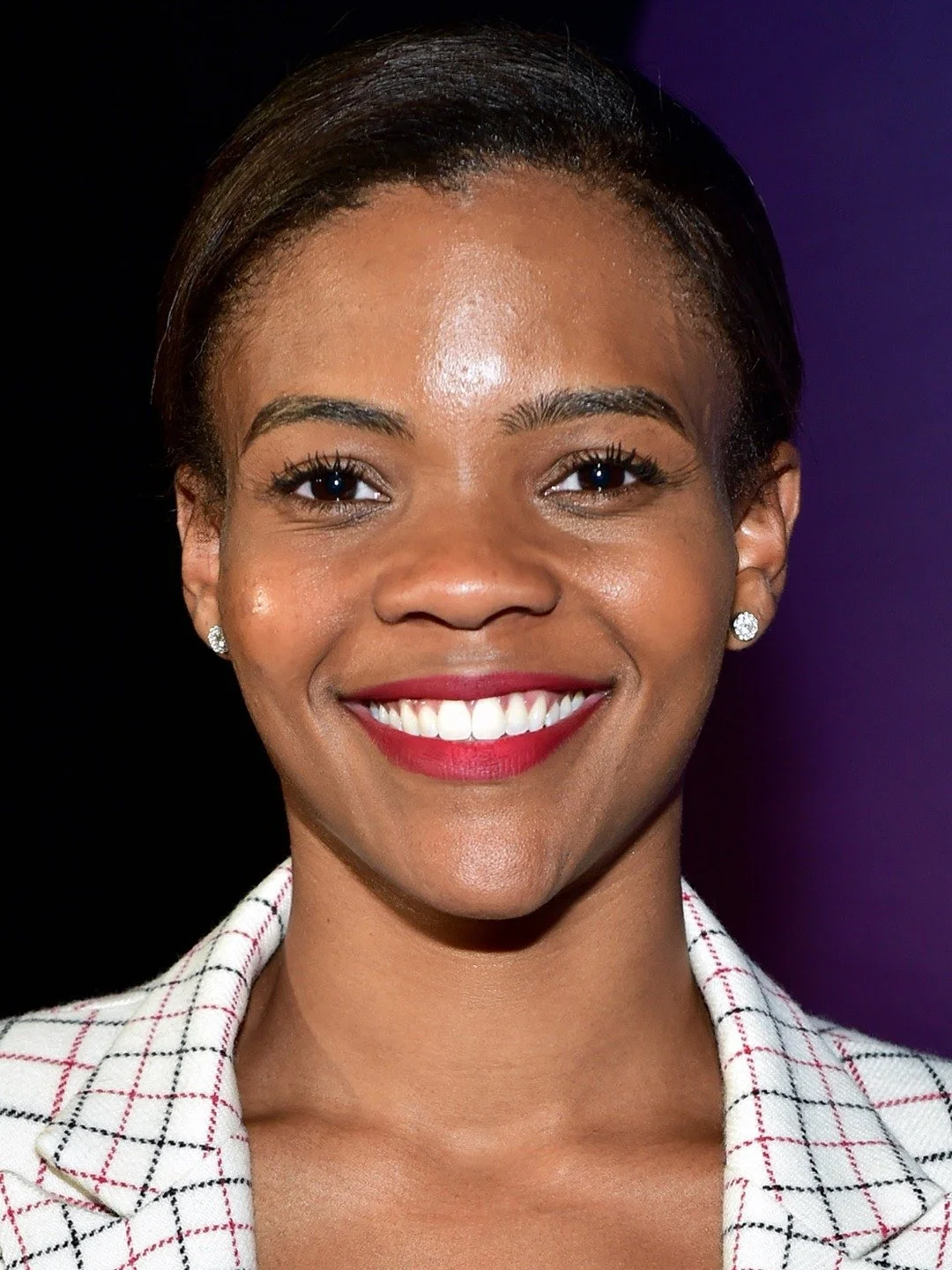
Candace Owens has emerged as a prominent and polarizing figure in contemporary American politics. As a conservative commentator and author, she has garnered a significant following through her outspoken views on various social and political issues. Her influence extends beyond the boundaries of traditional media, impacting political discourse among younger generations and conservatives alike. This article aims to explore the importance of Candace Owens, analyzing her contributions and the controversies surrounding her public persona.
The Rise of Candace Owens
Candace Owens gained national attention through her work with Turning Point USA, a nonprofit organization that promotes conservative values on college campuses. Her outspoken critiques of liberal policies and advocacy for limited government resonate with a significant segment of the population. Owens’s ascent has been characterized by her ability to leverage social media platforms to amplify her message, particularly through her YouTube channel and Twitter account, where she discusses topics such as racism, political correctness, and free speech.
Key Events and Views
Owens has been associated with several key events and controversies since her rise to fame. In 2018, she addressed a congressional hearing which scrutinized social media biases against conservative viewpoints, arguing for a more equitable representation of conservative voices in digital spaces. Her book, “Blackout: How Black America Can Make Its Second Escape from the Democrat Plantation,” published in 2020, challenges the conventional narratives surrounding race and politics in America. In this work, she contends that the Democratic Party has not served the interests of Black Americans, a claim that has sparked heated debates.
Controversies and Criticism
Despite her following, Owens often finds herself at the center of controversy. Critics accuse her of promoting divisive rhetoric and downplaying issues such as systemic racism. Her comments on topics like the Black Lives Matter movement and her position on the COVID-19 pandemic have been met with backlash from various communities. Nonetheless, she maintains a staunch base of supporters who credit her for encouraging critical discussions on race and political allegiance.
Conclusion
Candace Owens’s influence on the political landscape cannot be understated. As a millennial conservative, she has reshaped expectations of what it means to be a Black conservative in America today. Her ability to connect with young audiences through social media illustrates the changing dynamics of political engagement. As America continues to grapple with issues of race, identity, and political division, Owens’s voice will likely remain a significant, if controversial, part of the conversation. The future will reveal whether her impact will translate into long-lasting change within the conservative movement.