What is a Freeze Warning?
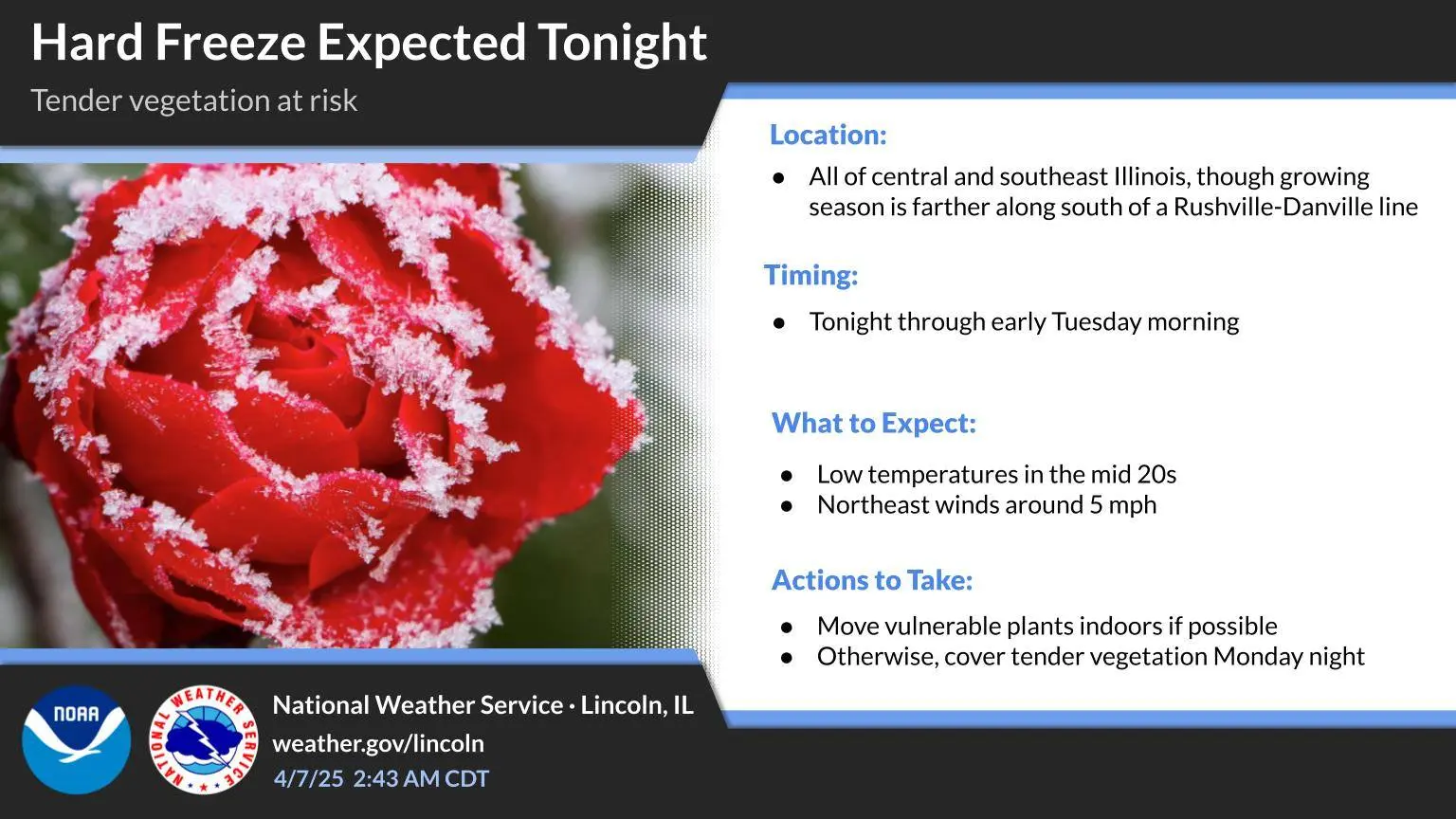
A freeze warning is a weather advisory issued by meteorologists when temperatures are expected to drop to 32°F (0°C) or lower, potentially damaging crops, plants, and other sensitive materials. These warnings are crucial, especially during the late fall and early spring, when temperatures can fluctuate significantly.
The Importance of Freeze Warnings
As temperatures across the United States continue to decline during the winter months, the frequency of freeze warnings increases. These alerts are essential for farmers, gardeners, and outdoor workers who need to protect their crops and plants from frost damage. Additionally, homeowners are advised to take precautions to protect their plumbing and heating systems during frigid temperatures.
Current Freeze Warnings Across the U.S.
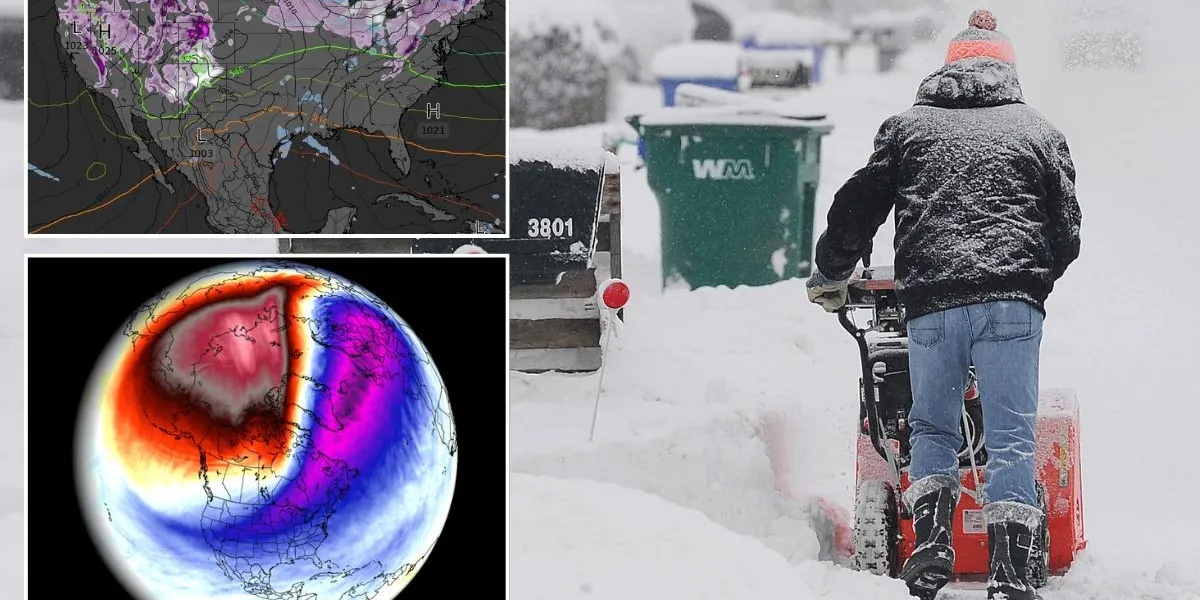
As of this week, several regions, particularly in the Midwest and Northeast, are under freeze warnings due to a significant cold front moving across the country. States like Illinois, Indiana, and New York have reported temperatures plunging late into the night, prompting authorities to issue alerts to prepare residents. The National Weather Service (NWS) advises people to cover outdoor plants, disconnect hoses, and allow their faucets to drip to prevent freezing.
Impacts on Agriculture and Safety
Freeze warnings can have severe consequences for agriculture. A sudden drop in temperature can damage crops such as fruit trees and vegetable gardens, leading to economic losses. According to the USDA, substantial crop damage in the spring can affect supply chains and food prices as the farmers struggle to recover. Additionally, freezing temperatures pose a risk to public safety, increasing the likelihood of slips and falls on ice, and can lead to hypothermia and frostbite for those exposed to the elements without appropriate clothing.
Conclusion
Understanding the implications of freeze warnings is crucial for preparedness during the winter months. With ongoing climate shifts affecting weather patterns, it’s expected that such warnings will remain a significant aspect of winter weather forecasts. Readers are encouraged to stay updated through reliable meteorological sources to safeguard their homes, businesses, and wellbeing as temperatures drop.