Introduction
As cyber threats continue to evolve, the need for robust incident response plans has become increasingly critical for organizations worldwide. An incident response plan (IRP) is a documented approach that outlines the processes to follow when a cybersecurity incident occurs, ensuring that organizations can effectively minimize damage, recover losses, and safeguard sensitive data. Given the rise in ransomware attacks and data breaches, the relevance of having a comprehensive IRP in place cannot be overstated.
The Critical Components of Incident Response Plans
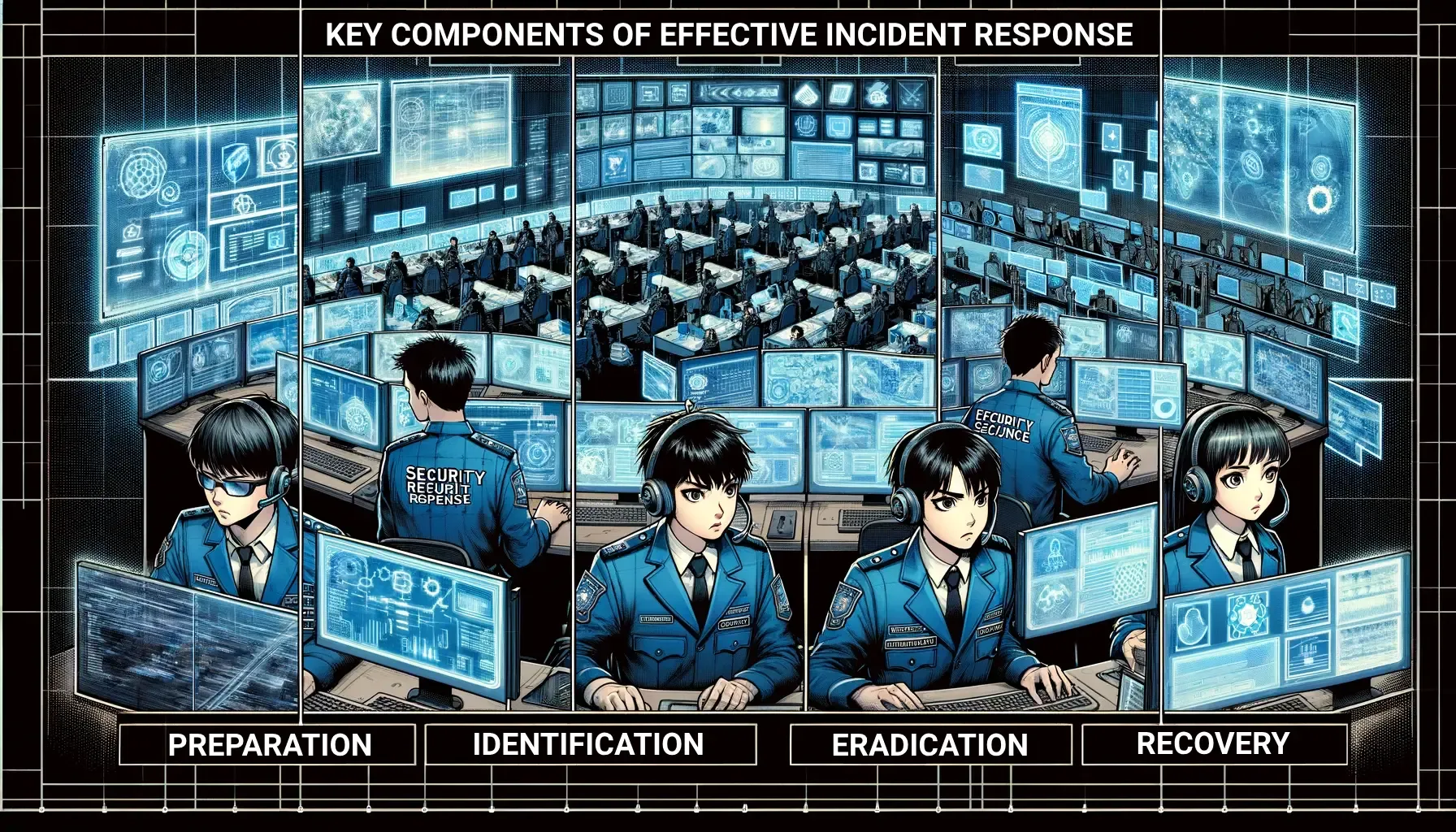
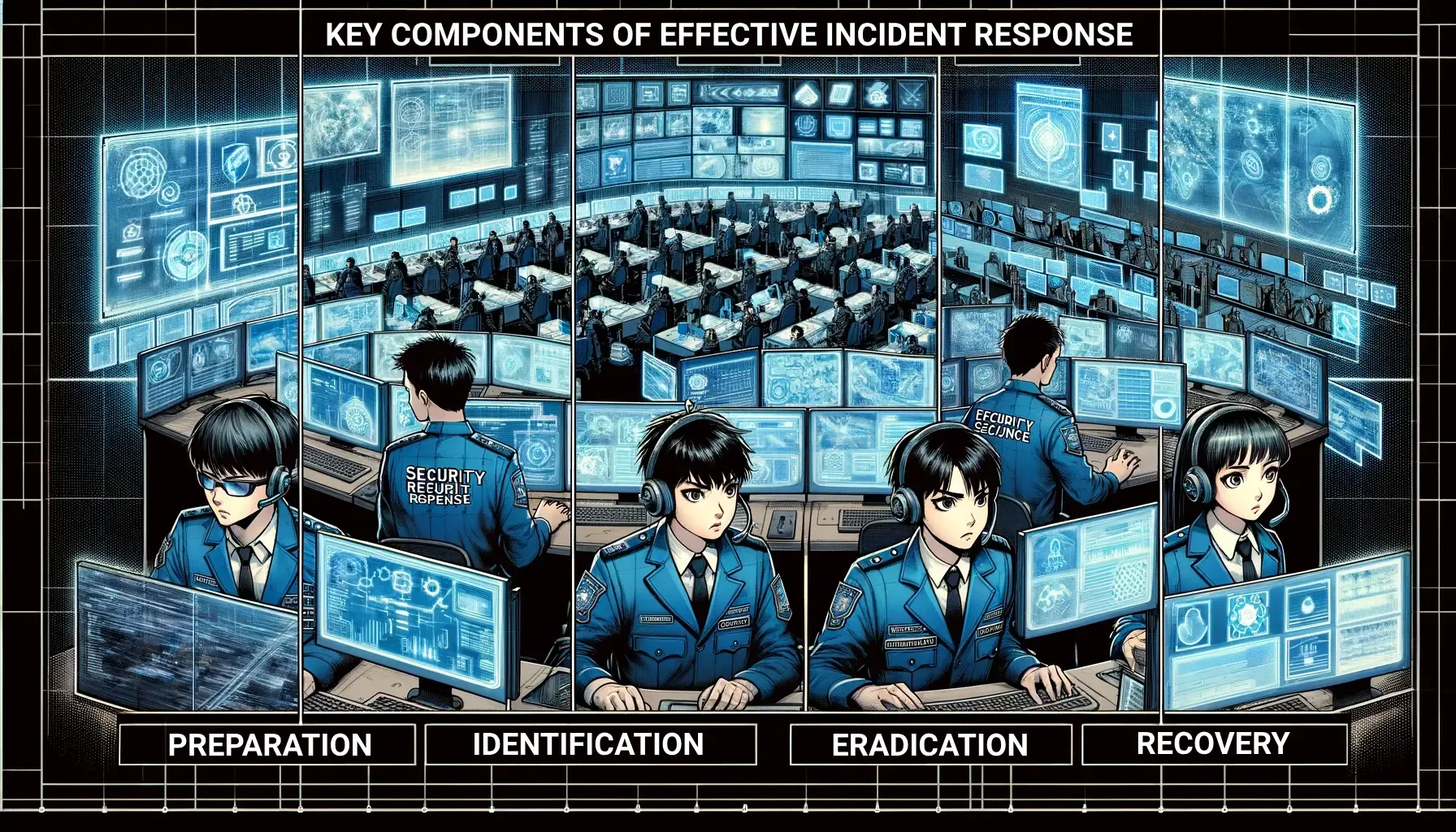
Incident response plans typically consist of several key components: preparation, detection and analysis, containment, eradication, recovery, and lessons learned. Each of these stages plays a crucial role in the overall effectiveness of the plan.
- Preparation: This involves training staff, securing technology, and establishing protocols before an incident occurs.
- Detection and Analysis: Organizations must monitor their systems to detect any signs of an incident and analyze the threat’s nature and scope.
- Containment: Once an incident is confirmed, immediate measures are taken to contain the damage and prevent its spread.
- Eradication: After containment, the root cause of the incident is identified and eliminated.
- Recovery: Systems are returned to normal operations, with an emphasis on monitoring for any signs of weaknesses that could be exploited again.
- Lessons Learned: After an incident, teams review the response process to enhance future preparedness and response efforts.
Current Trends in Incident Response
Recent surveys indicate that around 80% of organizations recognize the necessity of having an incident response plan. Many companies are investing in automated tools that facilitate rapid detection and response to cyber incidents. Furthermore, with the increasing trend of remote work, organizations are also adapting their IRPs to consider the unique vulnerabilities introduced by decentralized work environments.
Conclusion
The importance of incident response plans cannot be understated as cyber attacks become more sophisticated and pervasive. Organizations with well-implemented IRPs are not only better equipped to handle incidents when they arise but also more resilient in facing future threats. As the cybersecurity landscape continues to evolve, investing time and resources into developing and regularly updating incident response plans will be critical for all organizations aiming to protect their data and maintain trust with stakeholders.