Introduction
In an increasingly digital world, organizations face a growing threat from cyber incidents, making effective incident response plans essential. These plans serve as a roadmap for businesses to follow when a cybersecurity crisis occurs, allowing them to minimize damage, recover swiftly, and resume operations efficiently. With a rise in cyberattacks documented globally, the relevance and strategic importance of incident response plans cannot be overstated.
Recent Events Highlighting the Importance
In 2023, cybersecurity incidents surged by over 30%, impacting businesses from various sectors, including healthcare, finance, and retail. Notably, the recent ransomware attack on a healthcare provider compromised patient data and disrupted services for days. Organizations with pre-established incident response plans reported reduced recovery times and less financial loss compared to those without such measures in place.
Moreover, a study conducted by the Ponemon Institute found that companies with comprehensive incident response plans saved an average of $1.5 million during cyber incidents, highlighting the financial benefits of preparedness. Organizations like Microsoft have significantly enhanced their incident response strategies, demonstrating that effective planning is crucial for resilience against modern threats.
Essential Components of an Effective Incident Response Plan
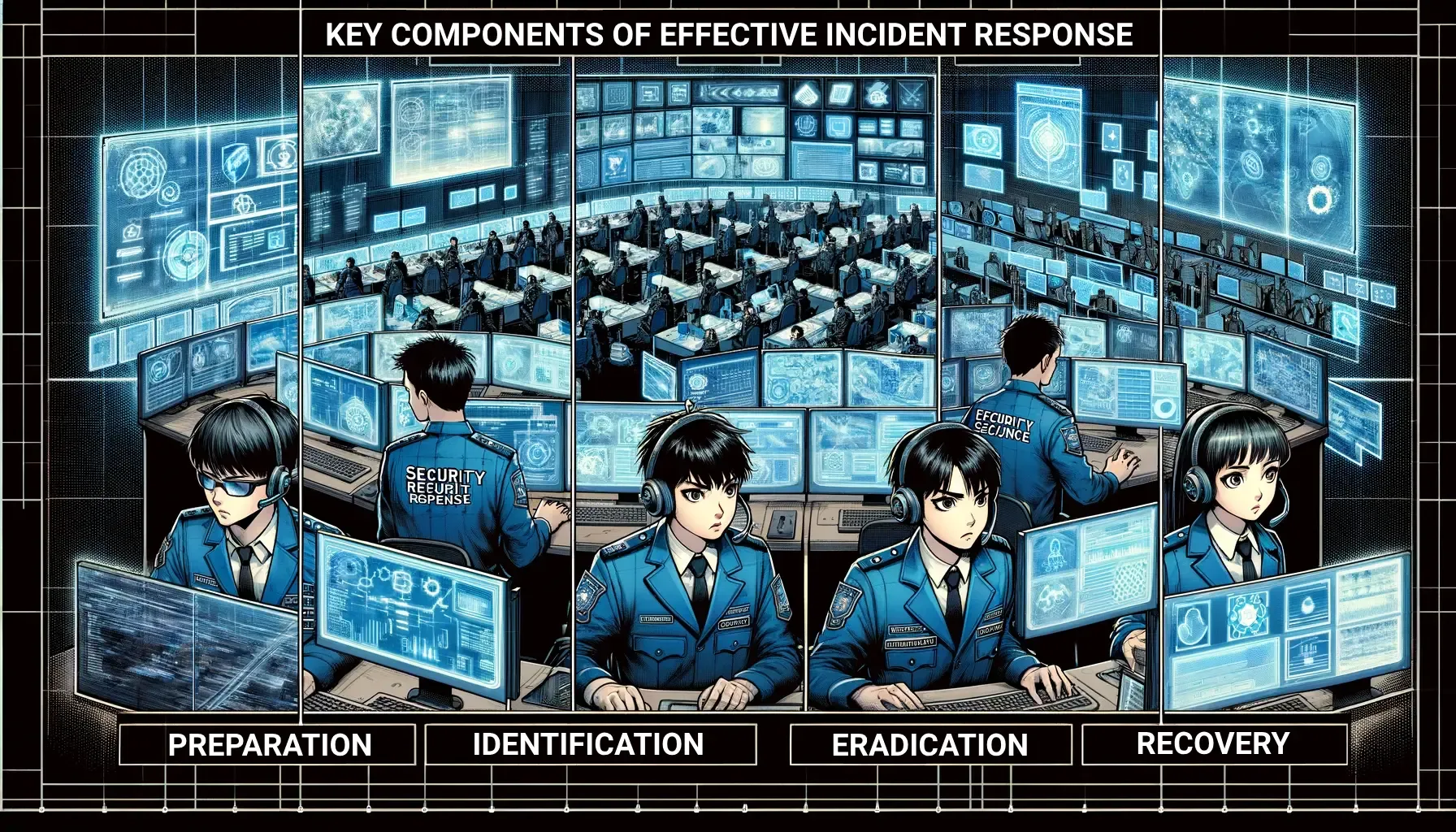
An effective incident response plan typically includes:
- Preparation: Developing comprehensive policies, procedures, and training for staff.
- Identification: Establishing methods to detect and analyze incidents promptly.
- Containment: Steps to limit damage and prevent further incidents, including immediate response actions.
- Eradication: Removing threats and vulnerabilities to prevent recurrence.
- Recovery: Restoring systems to normal operations while monitoring for any signs of further issues.
- Lessons Learned: Conducting post-incident reviews to identify areas of improvement for future responses.
Conclusion
In conclusion, incident response plans are critical not only for minimizing damage but also for ensuring long-term business sustainability in the face of cyber threats. As incidents become increasingly sophisticated, organizations must prioritize the development and refinement of these plans. Future forecasts suggest that by 2025, stringent regulatory requirements will further mandate comprehensive incident response planning. For businesses, investing the necessary resources today into effective planning will undoubtedly pay off tomorrow, providing a vital safeguard against the escalating landscape of cyber threats.