Introduction
In today’s digital age, the security of information systems is paramount for organizations across all sectors. With cyber threats becoming increasingly sophisticated, an incident response plan (IRP) has become an essential component of organizational risk management. These plans outline the processes necessary to identify, respond to, and recover from security incidents, minimizing potential damage and ensuring business continuity.
Current Landscape of Cybersecurity Threats
Recent studies indicate a dramatic rise in cyber incidents, with the 2023 Cybersecurity Breaches Survey reporting that approximately 39% of businesses experienced a breach in the last year alone. Notable incidents, such as the ransomware attack on the Colonial Pipeline, highlight the dire consequences of inadequate preparedness. The growing trend for ransomware, phishing schemes, and advanced persistent threats emphasizes the necessity for well-defined incident response strategies.
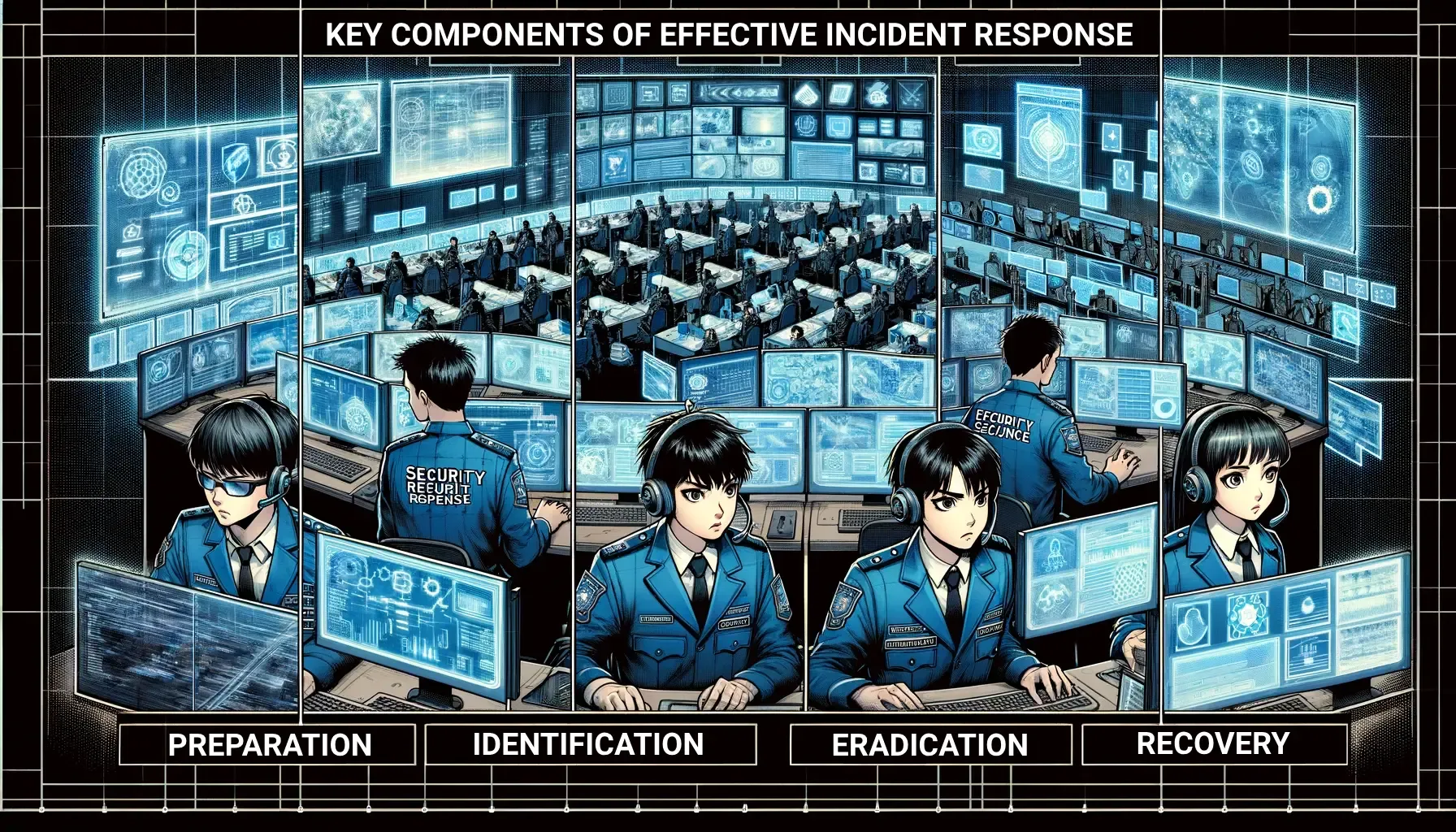
Key Components of an Effective Incident Response Plan
An effective incident response plan typically includes several critical elements:
- Preparation: This involves establishing policies, allocating resources, and training personnel on their roles in incident response.
- Detection and Analysis: Organizations must implement systems to identify security events and assess their potential impact.
- Containment: Strategies need to be defined to limit the extent of the incident and prevent further damage.
- Eradication: After containment, the root cause of the incident must be eliminated from systems.
- Recovery: Systems must be restored to normal operations while ensuring that vulnerabilities that led to the incident are addressed.
- Post-Incident Review: Organizations should analyze the incident to improve future response efforts.
The Importance of Regular Updates and Training
One of the most crucial aspects of an incident response plan is its regular updating and review. Cyber threats evolve, and an IRP needs to evolve accordingly to address novel attack vectors. Additionally, organizations should conduct regular training sessions and simulation exercises to ensure that team members are familiar with their roles in the event of an incident. According to industry experts, organizations that conduct regular drills are better prepared to mitigate damages when real incidents occur.
Conclusion
The significance of a robust incident response plan cannot be overstated as organizations navigate an increasingly perilous cybersecurity landscape. By implementing an effective IRP, businesses can safeguard their data, maintain customer trust, and ensure operational resilience. As we look ahead, the focus on improving incident response capabilities will be vital for organizations to not only survive but thrive in an era of constant cyber threats.