Introduction to Data Breaches
A data breach refers to the unauthorized access and retrieval of sensitive information by individuals or entities. In an era where information is a valuable currency, the importance of understanding data breaches cannot be overstated. With high-profile incidents making headlines regularly, being informed about what constitutes a data breach is crucial for both individuals and organizations alike.
The Mechanics of a Data Breach
Data breaches typically occur through various means, including hacking, insider threats, malware, and human error. For instance, a hacker may exploit vulnerabilities in a company’s cybersecurity systems to access sensitive customer data. Insider threats, where employees misuse access privileges, are also a significant risk. Additionally, outdated systems and poor security practices can leave organizations vulnerable.
Recent Statistics and Incidents
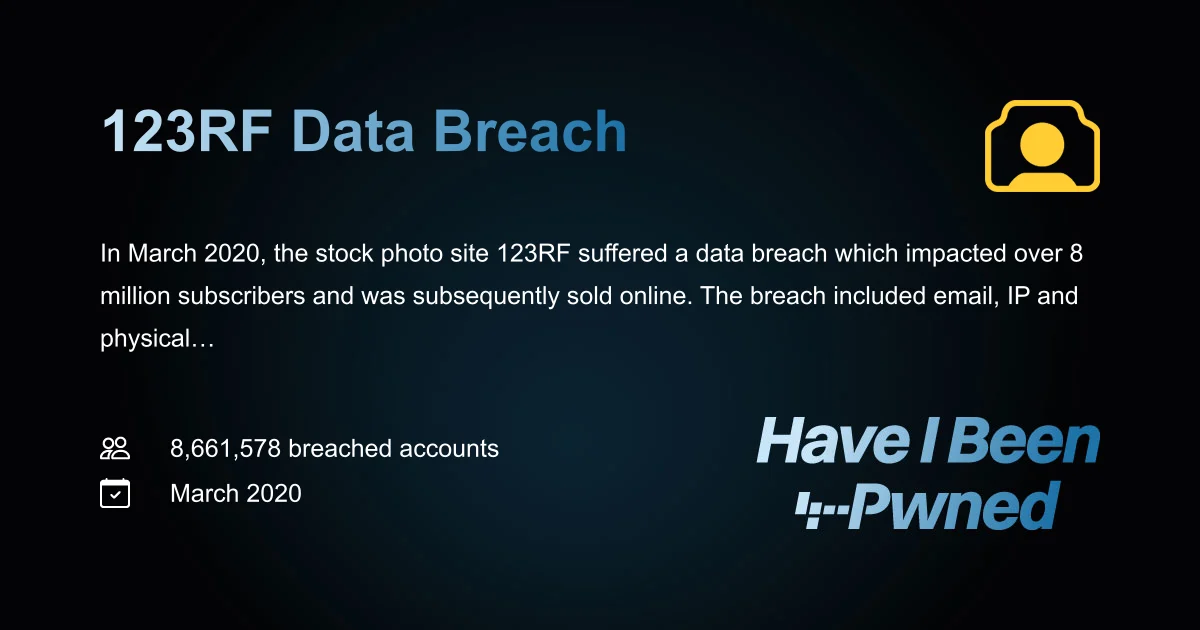
According to the 2023 Data Breach Investigations Report by Verizon, more than 5,200 confirmed data breaches were analyzed, revealing that 82% involved human error. Furthermore, high-profile breaches have affected millions; for example, the 2021 Facebook leak compromised the personal information of over 500 million users, illustrating the extensive damage breaches can cause. As organizations increasingly rely on digital systems, the risk of a data breach grows.
The Consequences of Data Breaches
The repercussions of a data breach can be severe. Organizations face financial losses that can reach millions of dollars due to regulatory fines, legal fees, and reputational damage. Moreover, individuals may suffer from identity theft or fraud, leading to long-term financial and emotional impacts. The average cost of a data breach in 2023 is estimated to be around $4.45 million, according to IBM’s Cost of a Data Breach Report.
Preventive Measures
To safeguard against data breaches, organizations should implement robust security measures. Regularly updating software, conducting employee training on security awareness, and employing encryption can significantly reduce vulnerability. Additionally, using multi-factor authentication (MFA) can serve as a barrier against unauthorized access.
Conclusion: The Importance of Vigilance
As technology continues to evolve, the landscape for data breaches will also shift, presenting new challenges. Awareness and proactive measures are critical for individuals and organizations in mitigating the risks of data breaches. Cybersecurity is not merely an IT issue but a crucial component of modern business operations. Vigilance and education will empower individuals and businesses alike to guard their valuable information against these ever-present threats.