Introduction
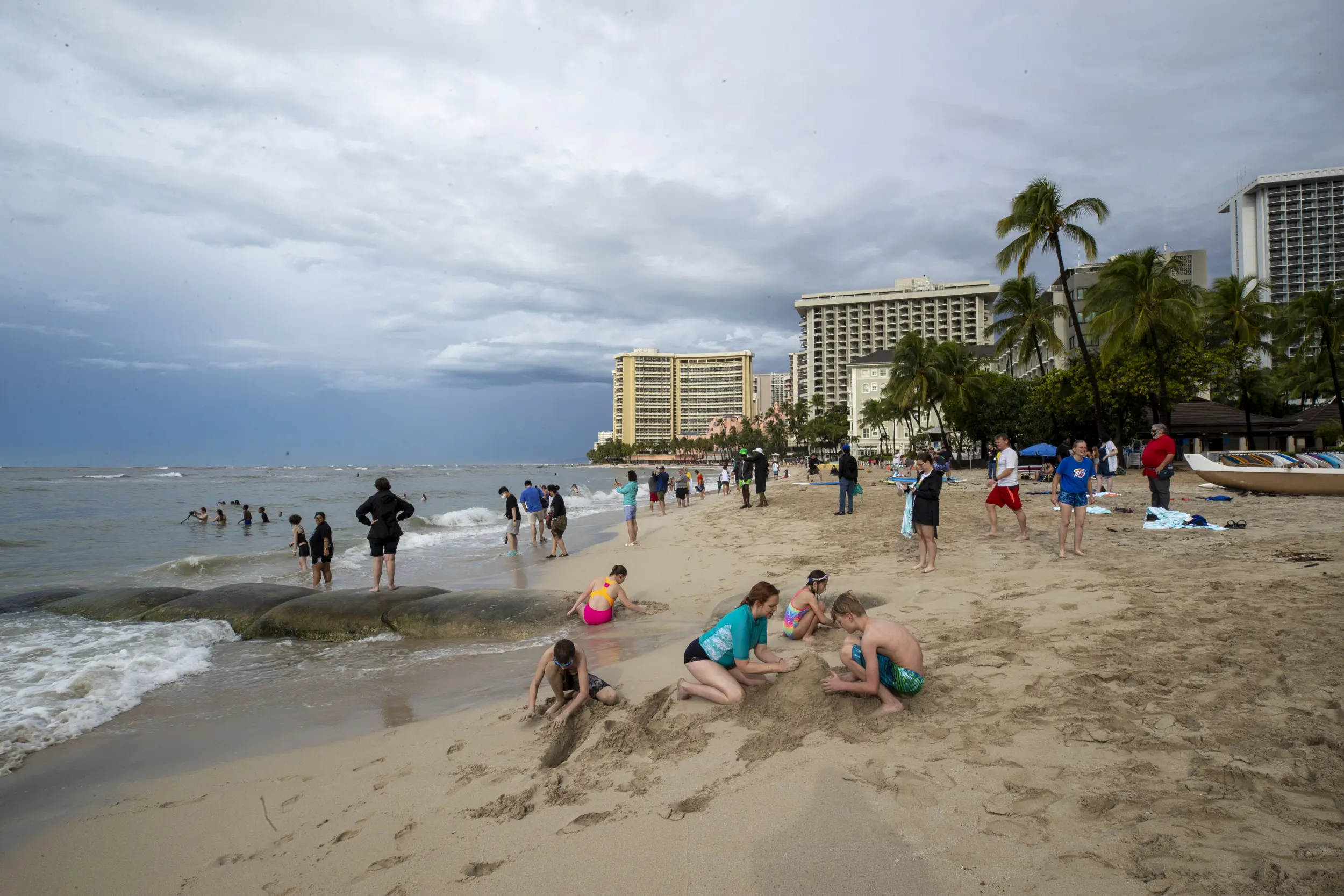
Severe weather in Hawaii has become an increasingly relevant topic, especially as recent events have marked a significant impact on residents and tourism. With the state’s unique geography and climate, understanding the factors contributing to severe weather patterns is essential for both safety and preparedness.
Recent Severe Weather Events
In August 2023, Hawaii experienced one of its most destructive natural disasters when Hurricane Hilary approached the islands, bringing heavy rainfall, strong winds, and flash flood warnings. The National Weather Service reported rainfall amounts exceeding 10 inches in some areas of the Big Island, resulting in road closures and mudslides. Emergency services were mobilized to aid in rescue efforts and provide shelter for displaced residents.
In addition to hurricanes, Hawaii has faced other forms of severe weather, including droughts, wildfires, and thunderstorms. The ongoing effects of climate change have altered the frequency and intensity of these events, prompting state officials to reevaluate their emergency preparedness plans.
Impact on Communities
The impact of severe weather events in Hawaii has been profound. Local businesses, particularly in tourism and agriculture, suffer significant losses due to road closures and hazardous conditions. The 2023 hurricane season alone has disrupted air travel and led to cancellations at popular tourist attractions, which are vital for the local economy. The agricultural sector also faces challenges, as torrential rains can destroy crops and delay planting seasons, increasing food supply chain vulnerabilities.
Looking Ahead
As scientists continue to study climate patterns in the Pacific, it is crucial for Hawaiians to remain informed about the risk of severe weather. The Hawaii Climate Change Mitigation and Adaptation Commission has been working on strategies to enhance community resilience to extreme weather, focusing on sustainable practices, infrastructure improvements, and educating citizens on emergency preparedness.
Conclusion
In conclusion, severe weather poses a significant threat to Hawaii, impacting its residents, economy, and environment. As the patterns of these events continue to evolve, proactive steps must be taken to mitigate impacts through improved forecasting, community planning, and education. The resilience of Hawaii’s communities will rely not just on recovery from these events, but on preparation and adaptation for the future.