Introduction
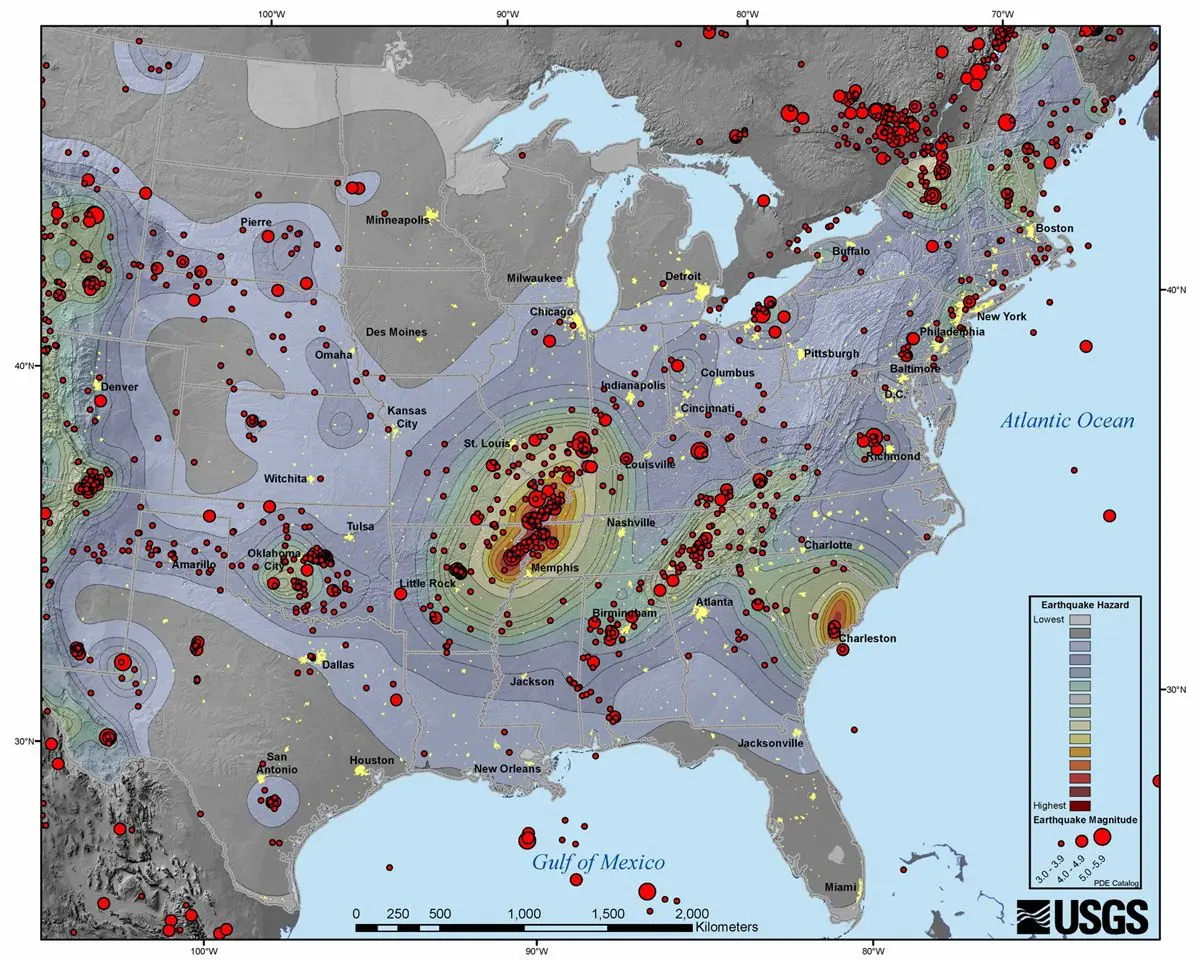
Earthquakes are natural disasters that can have devastating impacts on communities, infrastructure, and ecosystems. The United States Geological Survey (USGS) plays a crucial role in monitoring seismic activity and providing essential data that helps communities prepare for and respond to these events. Understanding the USGS’s work in earthquake monitoring is vital for public safety and disaster preparedness.
The Role of USGS
The USGS has been at the forefront of earthquake science for over a century. Their mission includes monitoring seismic activity, researching earthquake processes, and providing real-time data to inform both the public and government agencies. The agency operates a network of around 4,900 seismometers across the U.S. and integrates data from more than 1,200 additional stations worldwide.
Recent Earthquake Events
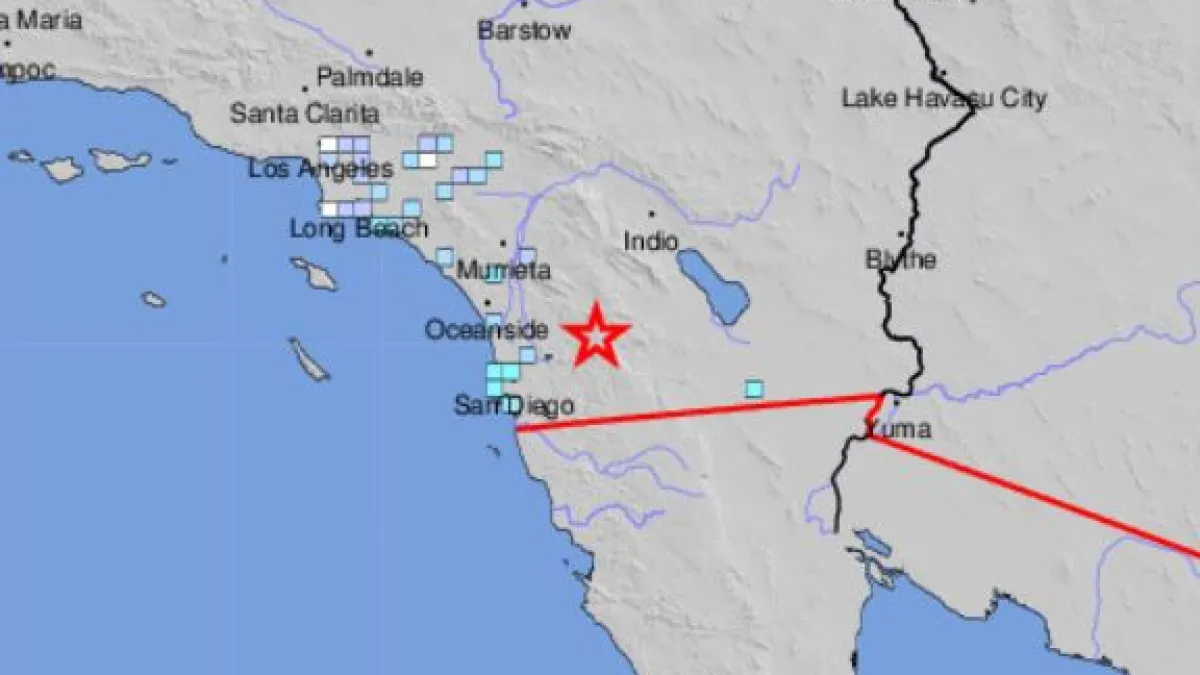
In recent months, several significant earthquakes have occurred, including a magnitude 6.0 quake that struck Northern California in early December 2023. This event triggered emergency alerts and initiated rapid assessments from USGS. Their swift response included deploying field teams to assess damage and provide crucial information on aftershocks and potential hazards.
Importance of Preparedness
The insights gained from USGS data allow communities to develop better emergency response plans. The agency provides educational resources on earthquake preparedness, such as ‘Drop, Cover, and Hold On’ training, which teaches individuals how to protect themselves during an earthquake. USGS also partners with state and local governments to disseminate this knowledge and improve overall community resilience.
Conclusion
As seismic activity continues to pose risks in many regions, the USGS remains an invaluable resource for monitoring earthquakes and promoting safety. Investing in public awareness and preparedness initiatives can significantly reduce damage and save lives. With advances in technology, the USGS will continue to enhance its capabilities in predicting and responding to earthquake events, ensuring communities remain vigilant and prepared.