The Importance of Jerome Powell’s Term
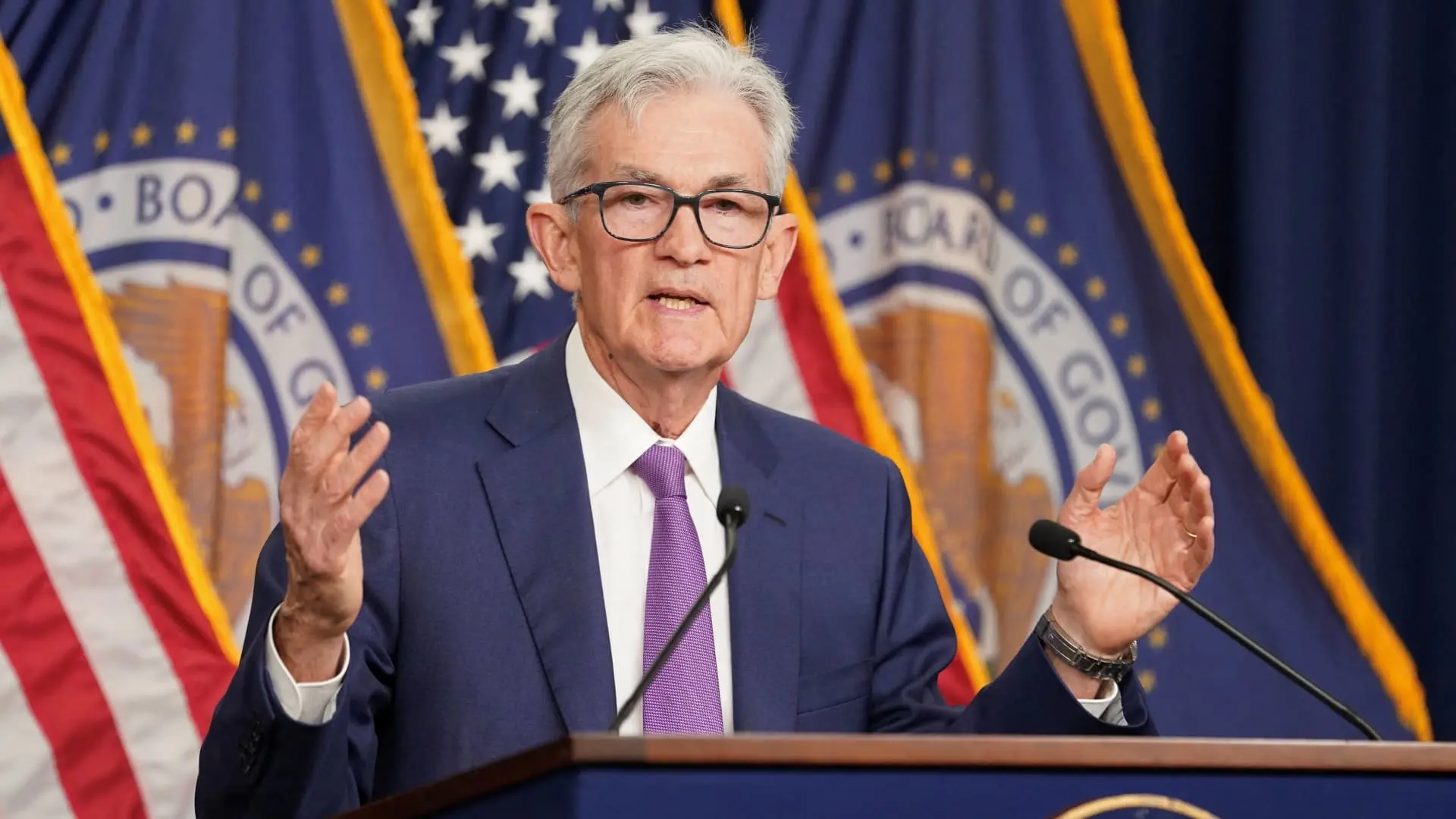
Jerome Powell has been serving as the Chair of the Federal Reserve since February 2018. His leadership is pivotal not only for monetary policy in the United States but also has significant implications for the global economy. As the world navigates economic recovery post-pandemic, understanding the timeline of Powell’s tenure and potential transitions is critical for investors, policymakers, and citizens alike.
Key Dates and Context
Jerome Powell’s current term as Fed Chair will officially expire on February 5, 2026. However, it is important to note that his appointment isn’t just a straightforward timeline; it hinges on various political dynamics and economic conditions. Powell was initially appointed to the Fed Board of Governors in 2012 by President Barack Obama and was later nominated by President Donald Trump to serve a full term as Chair.
Since the start of his chairmanship, Powell has had to navigate numerous challenges, including managing inflationary pressures, which have surged post-pandemic due to supply chain disruptions, labor shortages, and rising consumer demand. Under his guidance, the Federal Reserve has also instituted various policies aimed at economic stability, which have garnered both praise and criticism.
Looking Ahead: Implications of His Departure
As Powell’s term nears its end in early 2026, several potential successors and the political landscape will play vital roles in shaping monetary policy moving forward. Speculation already surrounds who might take over, especially considering that his leadership came during exceptionally challenging economic times.
The Federal Reserve’s decisions affect not just interest rates and inflation but also global markets. A transition in leadership could lead to shifts in policy direction, potentially altering economic strategies that have been in place during Powell’s term. Therefore, stakeholders across the economy must keep a close eye on potential nominees and the Senate’s confirmation process for any succeeding Fed Chair.
Conclusion
As we look towards the future, the end date of Jerome Powell’s term as Chair of the Federal Reserve poses significant questions and opportunities for economic policy. Understanding the context of his leadership and what may come after February 2026 is essential for anyone invested in the financial landscape. The direction the Fed takes, influenced by the next appointed Chair, will likely define the economic trajectory in the years to follow.