Who is involved
Historically, the United States has maintained a strong commitment to NATO, viewing it as a cornerstone of its foreign policy and a critical alliance for ensuring global security. However, recent data indicates a significant shift in public perception, particularly among Republican voters. In 2025, 49% of Republicans and GOP-leaning independents believed the U.S. benefited from NATO membership. This figure has now dropped to 38%, highlighting a growing skepticism about the alliance’s value.
The decisive moment for this change appears to have occurred in early 2026, as public opinion polls conducted by the Pew Research Center revealed that 60% of Republicans now feel that the U.S. benefits not too much or not at all from being part of NATO. This is a notable increase from the previous year, where only 50% held this view. In contrast, 59% of all Americans still believe that NATO membership is beneficial, with a strong majority of 82% of Democrats supporting the alliance.
The implications of this shift are significant for the political landscape in the United States. While a majority of Americans continue to support NATO, the declining confidence among Republicans could affect future U.S. foreign policy decisions. Notably, 63% of Americans express a lack of confidence in former President Donald Trump’s ability to make sound decisions regarding NATO, indicating a potential divide in trust between party lines. Interestingly, 74% of Republicans aged 50 and older still express confidence in Trump’s NATO decision-making, suggesting that age may play a role in shaping opinions on this issue.
Furthermore, the generational divide is evident in the differing views on NATO among younger Republicans. Only 42% of Republicans aged 18 to 49 believe the U.S. benefits from NATO, compared to 33% of those aged 50 and older. This trend raises questions about how future leaders and policymakers will approach international alliances and commitments.
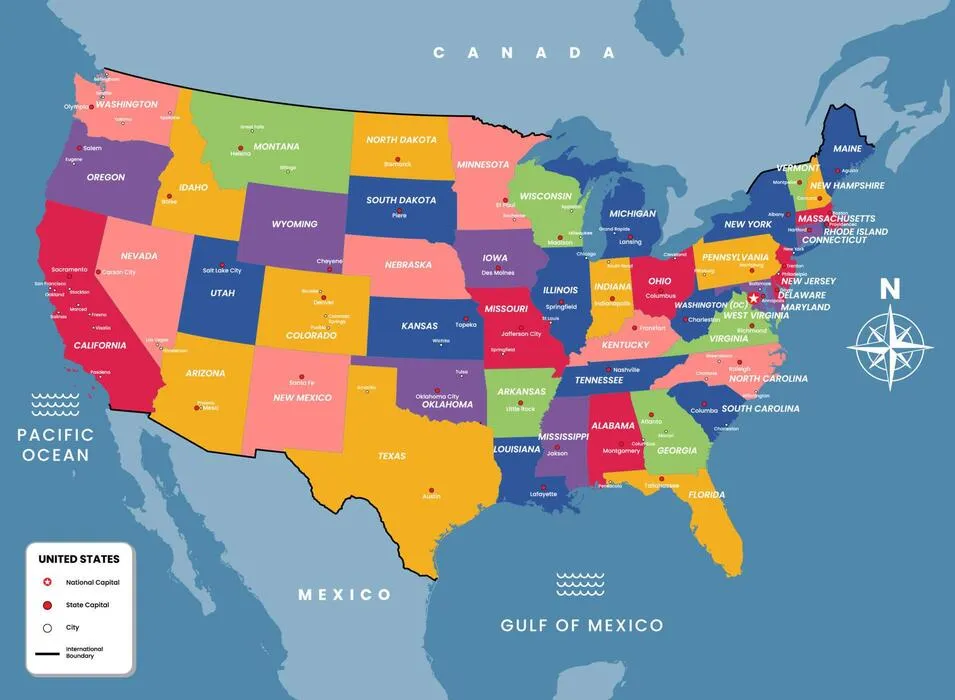
In a broader context, the changing perceptions of NATO membership are occurring alongside rising concerns about gun violence in the United States, particularly within Latino and Hispanic communities. In New Mexico, for instance, 64% of gun homicide victims were Latino and/or Hispanic in 2022. Gun deaths among Latino and Hispanic individuals have surged by 91% from 2014 to 2023, highlighting a pressing domestic issue that may influence public opinion on international matters.
The poverty rate for Latino and Hispanic New Mexicans is nearly double that of their non-Hispanic white counterparts, standing at 20.7% compared to 10.8%. Additionally, 56% of New Mexico’s prison population is Latino and/or Hispanic, further emphasizing the challenges faced by these communities. These socio-economic factors may contribute to the shifting perspectives on NATO, as citizens grapple with pressing domestic issues while evaluating international alliances.
Experts have noted that the rise in gun violence within Latino and Hispanic communities is a complex issue influenced by various socio-economic factors. As Maj. Gen. Efren Morados stated, “It is about the bonds formed between soldiers who train together under demanding conditions,” emphasizing the importance of international cooperation in addressing global security challenges. However, the increasing skepticism towards NATO among certain demographics may complicate these bonds and the U.S.’s role in international security.
As the landscape of public opinion continues to evolve, the future of NATO membership in the United States remains uncertain. With a significant portion of the population questioning the benefits of the alliance, it will be crucial for policymakers to address these concerns while navigating the complexities of both domestic and international issues.