What Are Sleeper Cells?
Sleeper cells, often referred to as sleeper assets, are spies or terrorists who reside in foreign countries, leading unassuming lives until they are activated for a specific mission. Recent developments have heightened concerns about these operatives, particularly in light of intercepted communications believed to have originated from Iran.
The U.S. has reported intercepting encrypted transmissions that may serve as operational triggers for sleeper assets outside Iran. While the alert indicated that there is no immediate operational threat tied to a specific location, law enforcement agencies have been advised to increase monitoring of suspicious radio-frequency activity. This precautionary measure reflects the heightened awareness surrounding the potential activation of sleeper cells.
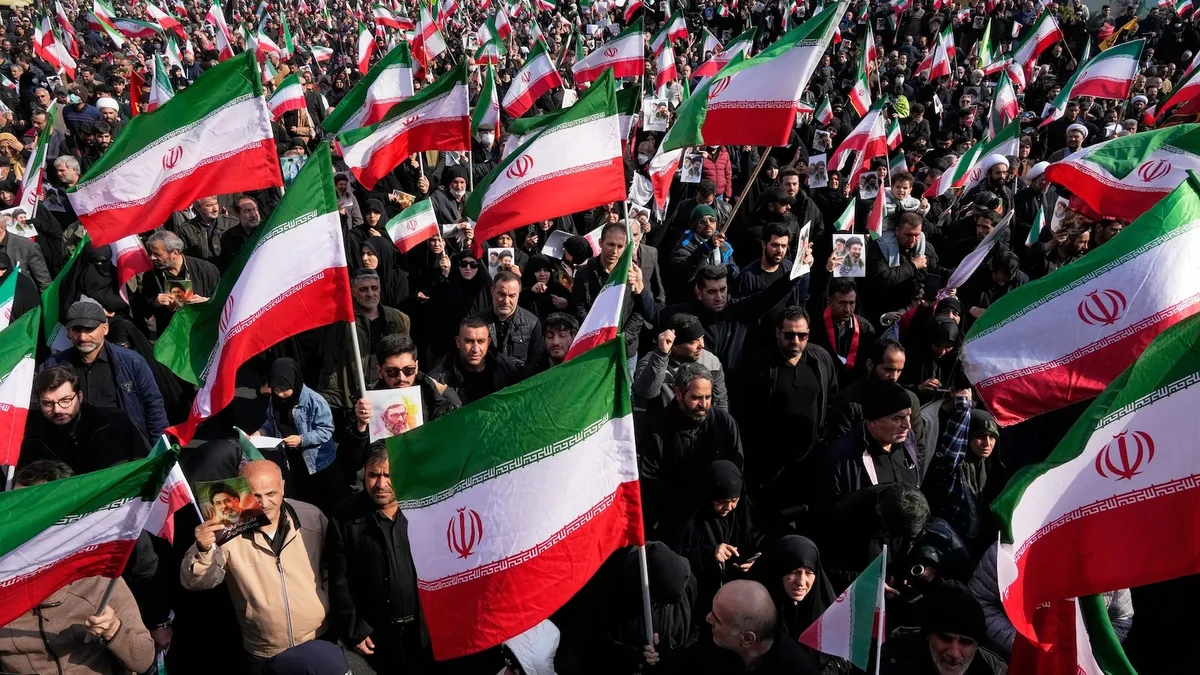
Notably, the intercepted transmissions were likely sent after the death of Supreme Leader Ayatollah Ali Khamenei on February 28. Following this significant event, there are concerns that Iran may have activated sleeper assets globally in response to U.S. and Israeli military actions. The conflict has escalated across the Middle East, with Iran retaliating against U.S. military bases and allies in the region.
According to reports, at least 1,230 people have been killed in Iran due to U.S. and Israeli strikes, with seven U.S. service members also losing their lives in the ongoing conflict. The situation remains tense, and the implications of these developments could be far-reaching.
The encrypted messages intercepted by U.S. intelligence were intended for clandestine recipients who possess the necessary encryption key. While the exact contents of these transmissions cannot currently be determined, the sudden appearance of a new station with international rebroadcast characteristics warrants heightened situational awareness among security agencies.
Law enforcement officials have expressed concerns that if the contents of the alert prove true, it would confirm fears that sleeper cells deployed around the West could be activated for retaliation against perceived threats. This potential activation underscores the importance of monitoring and understanding the dynamics of sleeper cells in the context of international security.
As tensions continue to rise, the U.S. has ramped up its monitoring efforts for Iranian sleeper cells, particularly following military strikes on Iranian nuclear sites in June. The situation remains fluid, and details about the operational status of these sleeper cells remain unconfirmed.